

Modern Cultivation Technique Delivers Higher Yields with Less Water and Limited Space
Published on: June 26, 2026
By: Dhananjay Rathore, Joint Director & Ashok Kumar Chandravanshi, Assistant Public Relations Officer
Location: Raipur, India
As India faces the twin challenges of a growing population, shrinking agricultural land and increasing pressure on water resources, the need for sustainable and innovative farming practices has become more critical than ever. Among the emerging solutions, hydroponics is gaining recognition as a modern and efficient cultivation technique capable of producing high-quality crops while conserving valuable natural resources.
Unlike conventional agriculture, hydroponics eliminates the need for soil and instead grows plants in nutrient-rich water, offering an environmentally sustainable alternative for future food production.
What Is Hydroponics?
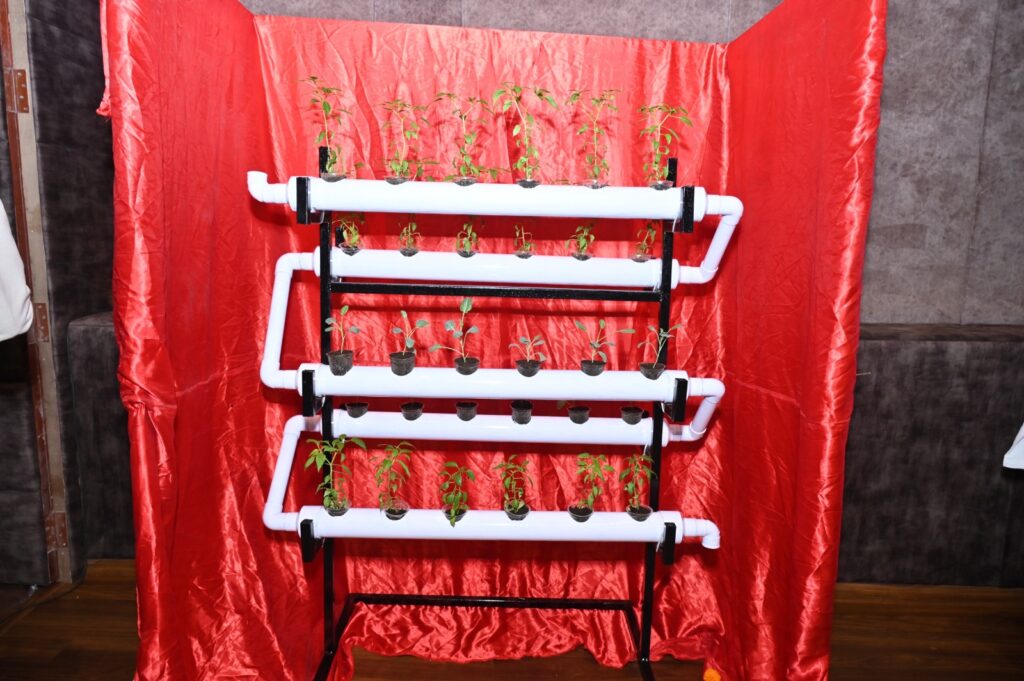
Hydroponics is a scientific method of cultivation in which plants are grown without soil. Instead, their roots are supplied directly with a carefully balanced nutrient solution dissolved in water. Special growing media are used to support the plants while allowing the roots to absorb essential minerals efficiently.
By delivering nutrients directly to the root system, hydroponic cultivation promotes faster plant growth, healthier crops and improved productivity compared to many traditional farming methods.
Higher Productivity with Fewer Resources
One of the most significant advantages of hydroponics is its efficient use of resources. The technology requires substantially less water than conventional farming, making it particularly suitable for regions facing water scarcity.
The system also enables cultivation in limited spaces, making it an attractive option for small farmers, urban residents and entrepreneurs with restricted land availability. Since crops are grown in controlled environments, production is less vulnerable to adverse weather conditions, resulting in greater consistency and reliability.
Supporting Nutrition Security and Environmental Sustainability
Agricultural experts believe hydroponics can play an important role in ensuring safe, high-quality food production while reducing environmental impact.
The technique conserves water, minimizes pressure on agricultural land and limits the use of chemical fertilizers, contributing to sustainable farming practices. These environmental benefits have positioned hydroponics among the most promising agricultural technologies for the future.
New Opportunities for Youth and Agripreneurs
Hydroponics is not only transforming agriculture but also creating new avenues for self-employment and agribusiness.
Entrepreneurs can cultivate vegetables, leafy greens and other high-value crops on a commercial scale in compact spaces, generating attractive returns on investment. The technology is increasingly encouraging young people to establish agriculture-based startups and embrace innovation-driven farming.
Government Promoting Modern Agricultural Technologies
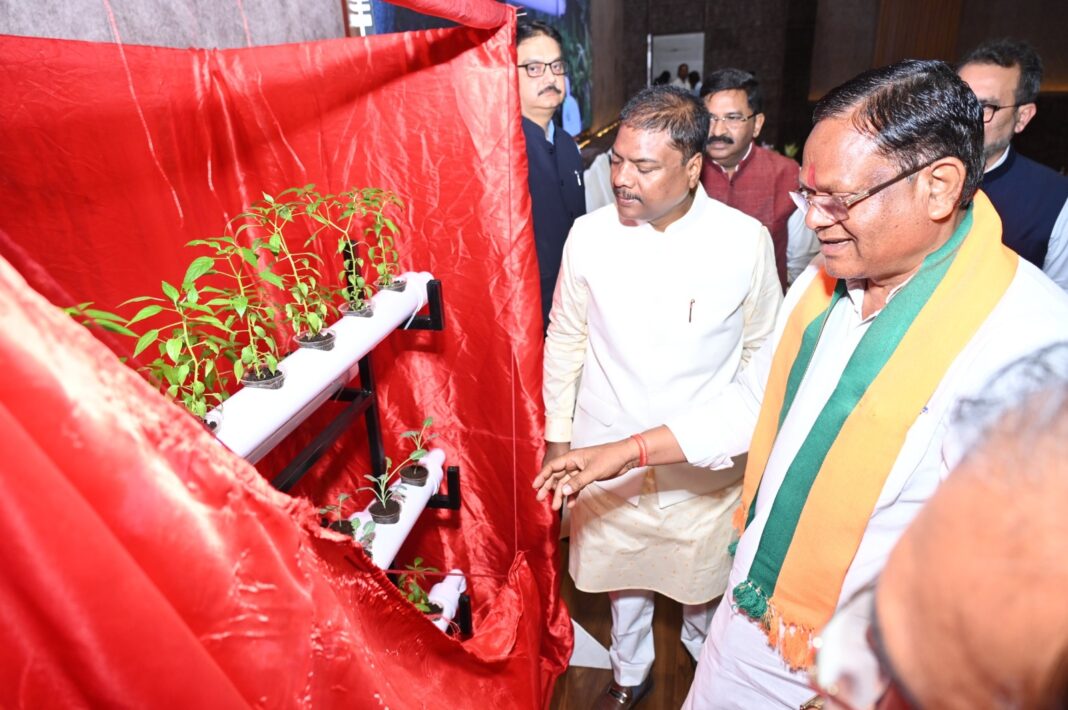
Both the Central and State Governments are actively encouraging the adoption of advanced agricultural technologies to improve farmers’ incomes, promote water conservation and strengthen sustainable farming.
ALSO READ-
- Newborn Delivered Safely Inside Moving 108 Sanjeevani Express
- Mayor Madhusudan Yadav Launches Intensified Pulse Polio Campaign 2026
- Assembly Speaker Dr. Raman Singh Inaugurates Passenger Waiting Shelter in Mohara
- Prime Minister’s Simple and Direct Interaction Instils Confidence Among Farmers: Komal Singh Rajput
- Rajasthan CM Bhajanlal Sharma Pays Homage to Haldighati’s Sacred Soil Amid Maharana Pratap Anniversary Celebration
Through Krishi Vigyan Kendras (KVKs), agriculture departments and specialized training programmes, farmers are being introduced to modern cultivation techniques, enabling them to increase both productivity and profitability.
A Significant Step Towards the Future of Agriculture
Hydroponics is opening new possibilities for innovation, sustainability and self-reliance in agriculture. By combining efficient resource utilization, superior crop quality and environmental conservation, the technology offers a balanced solution to many of the challenges confronting modern farming.
As awareness and technological adoption continue to grow, hydroponics is expected to create fresh opportunities for farmers, young entrepreneurs and the agricultural sector as a whole.
With scientific innovation at its core, hydroponic farming is not only making agriculture more productive and profitable but also contributing significantly to long-term food security, nutritional well-being and sustainable rural development.