

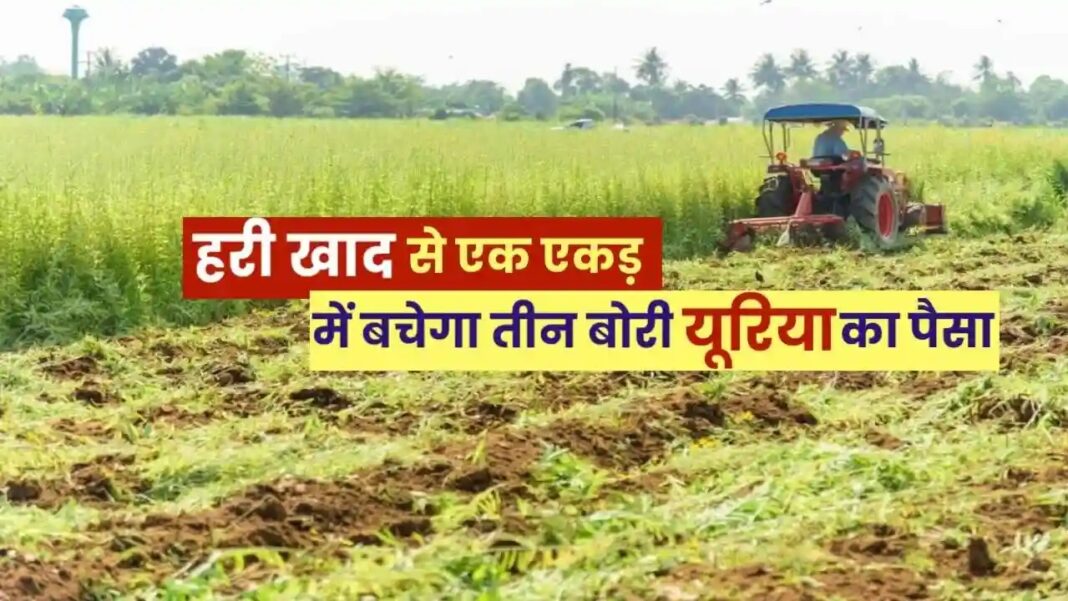

A sustainable farming solution that enhances productivity, reduces chemical dependency, and restores soil fertility
By: Dhananjay Rathore
Designation: Joint Director, Public Relations
In the present era, moving toward sustainable agriculture has become the need of the hour. Green manure has emerged as an effective solution to relieve soil that is increasingly burdened by excessive chemical usage. It not only improves crop productivity but also preserves soil fertility for future generations. If the soil survives, farmers survive — and when farmers thrive, the nation prospers.
The Agriculture Department is encouraging farmers to adopt green manure practices to improve soil fertility and enhance agricultural production. According to the department, excessive use of chemical fertilizers in paddy fields has reduced beneficial microbial activity in the soil and adversely affected soil structure.
What is Green Manure?
Green manure refers to supportive crops grown before the main crop and ploughed back into the soil at the flowering stage. Crops such as dhaincha, sunhemp, cowpea, moong, and urad are considered highly suitable for green manuring.
Both leguminous and non-leguminous crops are used under green manuring practices. Leaves and small branches of shrubs and trees can also be utilized, although dhaincha is most commonly preferred. These crops help in improving soil quality when incorporated into the field.
Improving Soil Health
The biggest impact of green manure is seen on the physical and chemical structure of soil. It rapidly increases nitrogen content and organic matter (humus) in the soil. Green manure makes soil loose and porous, improving aeration and enabling plant roots to penetrate deeper.
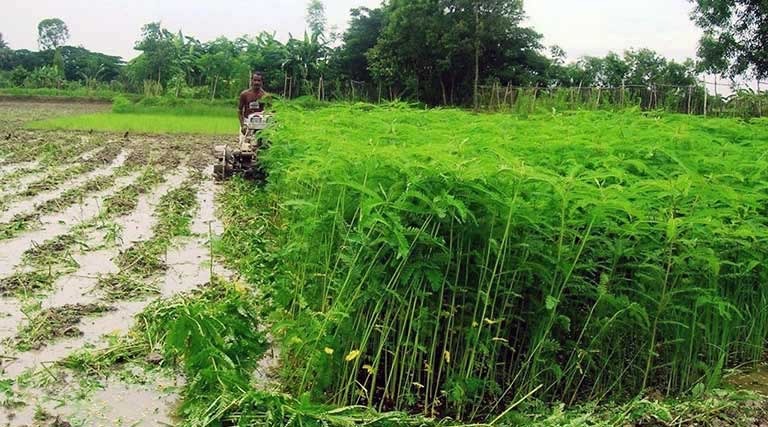
It also enhances the soil’s water absorption capacity, which becomes crucial during drought conditions and helps crops survive water stress.
Higher Production and Reduced Farming Cost
Healthy soil naturally leads to higher productivity. The use of green manure can increase crop yields by nearly 15–20 percent. Dependence on urea and other chemical fertilizers decreases significantly, thereby reducing cultivation costs for farmers.
Green manure also supports beneficial insects and increases the population of useful microorganisms and earthworms within the soil ecosystem.
Correct Method of Preparing Green Manure
Farmers should select crops like sunhemp or dhaincha according to local climatic conditions. The ideal sowing period is the beginning of the monsoon season (June–July).
When the crop reaches 40–50 days and begins flowering, it should be incorporated into the soil using a plough, leveller, or rotavator. After incorporation, soil moisture should be maintained for 10–15 days so that the biomass decomposes properly and becomes part of the soil.
Green Manure Will Increase Farmers’ Income
Green manure is not merely a fertilizer but a treatment for soil health. If farmers adopt green manuring every second or third year, it can significantly increase farm income while enabling the production of chemical-free, nutritious food grains for society.
A Boon for Agriculture
Green manure can be described as a boon for agriculture. With excessive chemical fertilizer use reducing soil fertility, green manuring offers one of the most accessible natural methods to rejuvenate soil health.
The Agriculture Department has also initiated efforts to provide green manure seeds before the Kharif season. Seeds are being made available based on farmers’ demand through regional rural agricultural extension officers.
Also read-
- Paddy Procurement Rules Change Every Year, But When Will the System Change?
- Liquor Shop Opens in Bandha Bazar, Locals Celebrate with Band and Music
- Mule Account Holder Arrested in Cyber Fraud Case in Rajnandgaon

- Daylight Theft Case Solved, Two Accused Arrested in Rajnandgaon

- Rajnandgaon Glows with 7,700 Diyas to Mark PM Modi’s 76th Birthday