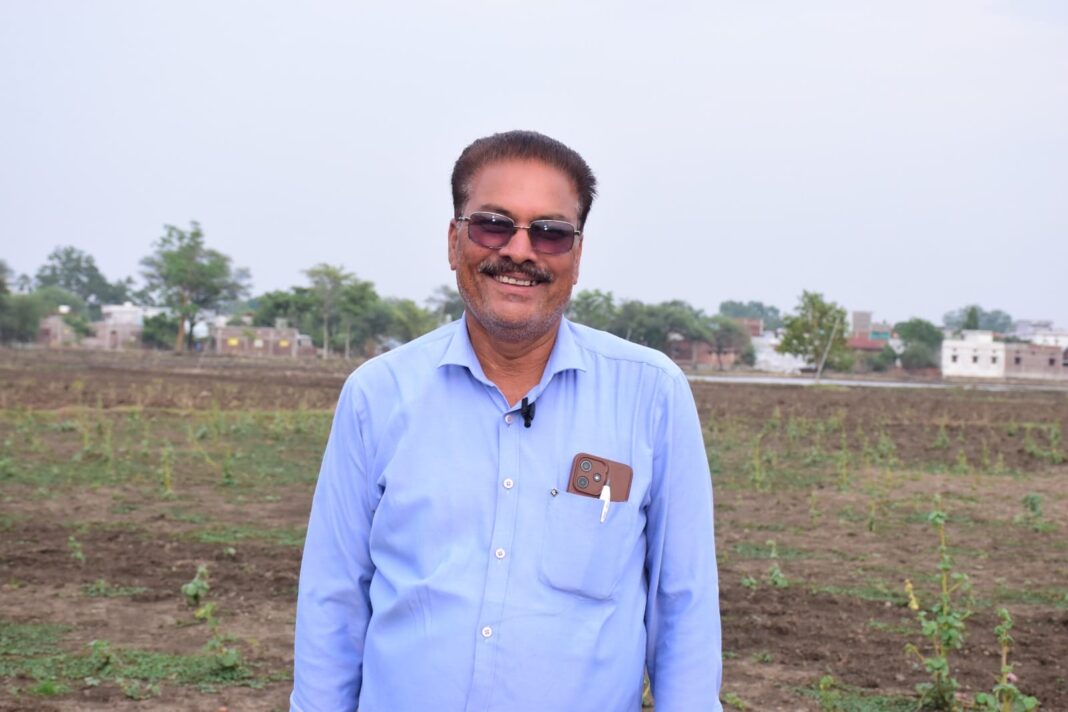



Farmers advised to use improved seed varieties, follow scientific sowing methods, and undertake field operations based on weather forecasts
Published on: July 06, 2026
By: BTNI
Location: Rajnandgaon, India
The Krishi Vigyan Kendra (KVK), Surgi, has issued a comprehensive weather-based agricultural advisory for farmers in Rajnandgaon district, urging them to adopt scientific cultivation practices for the ongoing Kharif season to improve productivity and reduce weather-related risks.
According to the advisory, farmers planning Kharif sowing should ensure the availability of certified, high-yielding seed varieties before planting. Recommended varieties include Indravati Dhan, MTU-1153, Vikram TCR, Chhattisgarh Dhan-1919 for paddy; RSC-10-46, RSC-11-15 and RSC-11-07 for soybean; Chhattisgarh Arhar-1, Chhattisgarh Arhar-2 and Rajivlochan for pigeon pea; Pusa Hybrid-1, Vivek Maize Hybrid-51 and CG Early Hybrid Maize-1 for maize; and PKVAKM-4, Malviya Jyoti and Shikha for green gram.

Moderate rainfall expected in coming days
Based on the latest weather forecast, KVK Surgi stated that the district is likely to experience partly cloudy skies accompanied by light to moderate rainfall over the next few days. Farmers have been advised to complete paddy sowing during this period and apply herbicides only when weather conditions remain dry and suitable.
Scientific paddy cultivation recommended
For direct-seeded paddy, the advisory recommends a seed rate of 50 kilograms per hectare using tractors with seed drills, Indira Seed Drills, inclined plate planters, Nari ploughs, Bhormadev ploughs, or traditional ploughs. Seeds should be sown in rows spaced 20 centimetres apart at a depth not exceeding 3–4 centimetres.
Farmers have also been advised to calibrate seed drills before sowing and purify self-treated seeds using a 17 percent salt solution. Certified seeds should be treated with Azospirillum and Phosphate Solubilizing Bacteria (PSB) cultures at the recommended dosage before sowing.
The advisory further recommends timely pre-emergence weed management within 0–3 days after sowing under adequate soil moisture conditions. Early and medium-duration paddy varieties should preferably be cultivated through line sowing, which eliminates the need for “Biasi” operations and allows harvesting 10–15 days earlier than conventional methods.
Farmers opting for transplanted paddy have been advised to prepare nurseries over approximately one-tenth of the total cultivation area, using appropriate seed quantities depending on the variety.
Crop-specific recommendations
For soybean, KVK has recommended direct sowing with row spacing of 45 centimetres and plant spacing of 7–10 centimetres, using 65–75 kilograms of seed per hectare. Seeds should be treated with Rhizobium and PSB cultures, while balanced fertilizer application has also been recommended.
ALSO READ-
- Eid-e-Milad-un-Nabi Procession Held in Rajnandgaon, Mayor Madhusudan Yadav Extends Greetings
- Aastha School Students Shine in Para Yogasana, Win Five Medals and Qualify for National Championship
- Illegal Liquor Sale: Accused Arrested in Rajnandgaon, 8.10 Bulk Litres Seized
- 14 Amazing Benefits of Banana for Skin and Hair
- Sonam Kapoor Reacts ‘Huh’ as 722 Mumbai Auto and Taxi Drivers Get Notices Over Marathi Language Test
For pigeon pea (Arhar), farmers should use 15–20 kilograms of seed per hectare, maintaining appropriate spacing based on crop duration. Seed treatment with Rhizobium and PSB cultures has been advised to improve nitrogen fixation and plant growth.
For groundnut, the advisory recommends sowing 120–140 kilograms of seed per hectare with row spacing of 30–40 centimetres and plant spacing of 8–10 centimetres. Seeds should be treated with Trichoderma, Rhizobium, and PSB cultures before sowing.
For maize, hybrid varieties should be sown at 15–20 kilograms per hectare, while composite varieties require 20–25 kilograms per hectare. Row spacing of 60–75 centimetres and plant spacing of 20–25 centimetres have been recommended, along with balanced fertilizer application for optimum crop growth.
Focus on scientific farming
KVK Surgi has appealed to farmers to adopt weather-based crop management practices, use recommended seed treatment methods, maintain balanced nutrient application, and seek technical guidance whenever required to maximize productivity and minimize crop losses during the Kharif season.