


Solar Panels Help Cooperative Societies Reduce Power Expenses; Head Office Saves ₹80,000–₹90,000 Every Month
Published on: October 06, 2026
By: BTNI
Location: Rajnandgaon, India
Primary Agricultural Credit Cooperative Societies that provide services to farmers through the cooperative system are increasingly moving towards clean and green energy.
The District Cooperative Central Bank Maryadit, Rajnandgaon has undertaken an initiative to modernise the cooperative sector and improve energy efficiency by installing solar panels at cooperative societies. The initiative is helping reduce electricity expenses while promoting the use of renewable energy.
Solar Panels Installed at 18 Cooperative Societies
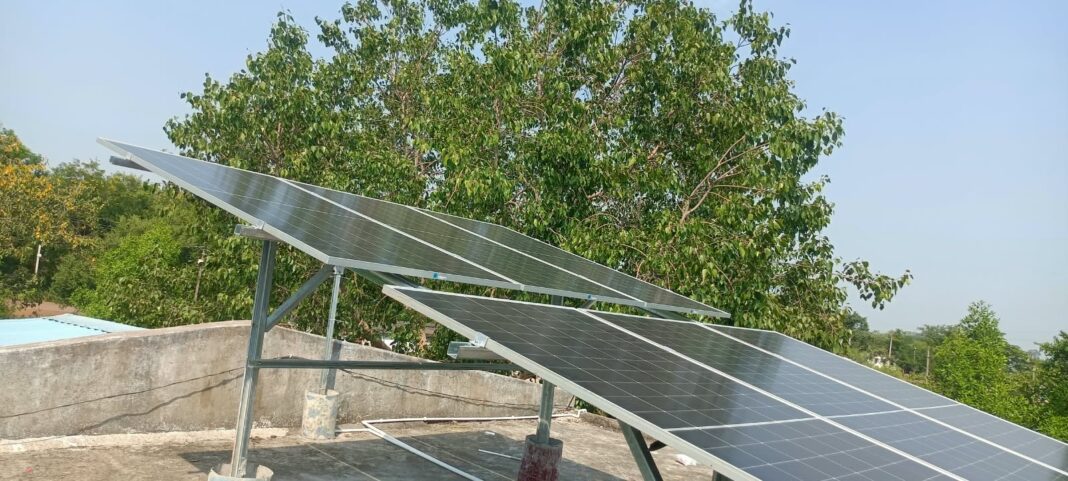
Under the operational area of the District Cooperative Central Bank, solar panels with capacities ranging from 3 to 5 kilowatts have been installed at 18 Primary Agricultural Credit Cooperative Societies in Rajnandgaon district.
The process of installing solar panels at the buildings of nine additional cooperative societies is currently underway.
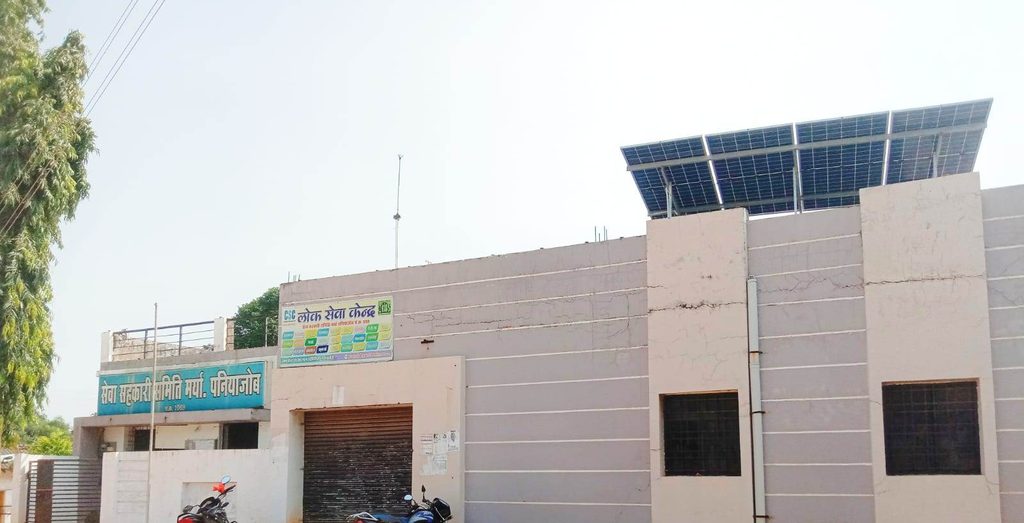
The use of solar energy has started reducing the regular electricity expenditure of these societies. Earlier, the cooperative societies had to pay around ₹8,000 to ₹10,000 per month towards electricity bills.
Following the installation of solar panels, the reduction in electricity bills has lowered the financial burden on the societies. The savings are helping strengthen their economic efficiency while also supporting environmental conservation and the promotion of clean energy.
Bank Branches Also Being Connected to Solar Power
The District Cooperative Central Bank is also taking steps to connect its branches with solar energy.
Solar panels with a capacity of 5 kilowatts each are being installed at seven branches operating from the bank’s own buildings.
These branches earlier incurred electricity bills of around ₹10,000 to ₹15,000 per month. The use of solar power is reducing electricity expenses and providing the bank with direct financial savings.
Head Office Saves ₹80,000–₹90,000 Every Month
The impact of solar energy is particularly visible at the head office of the District Cooperative Central Bank.
Earlier, a 50-kilowatt solar power plant was installed at the head office through the Chhattisgarh State Renewable Energy Development Agency (CREDA).
Before the solar plant was installed, the head office’s monthly electricity bill was more than ₹1 lakh. Following the installation of the solar plant, the bill has come down to approximately ₹8,000 to ₹10,000 per month.
As a result, the bank is saving approximately ₹80,000 to ₹90,000 every month on electricity expenditure.
ALSO READ-
- Seva Setu Camp Connects Government Schemes with Citizens in Dongargarh
- BJP to Hold Seva Jyoti Yatra in Rajnandgaon on October 7
- Administration Acts Against Illegal Road Construction on Government Hill Land and Drain in Rajnandgaon
- Collector Reviews Departmental Work, Sets Target of 10 Lakh Munga Saplings in Rajnandgaon
- Mayor Pays Tribute to Former Councillor Bholaram Mishrekar
Renewable Energy Being Expanded Across Cooperative Sector
The savings generated through solar energy are not only reducing the bank’s operational expenses but are also presenting an example of the effective use of renewable energy in the cooperative sector.
The District Cooperative Central Bank is installing solar panels in all cooperative societies within its operational area in a phased manner.
The initiative aims to enable more cooperative societies to reduce their electricity expenses while adopting clean and green energy.
By bringing together cooperation, economic savings and environmental conservation, the District Cooperative Central Bank’s solar initiative is contributing to a shift towards renewable energy in the cooperative sector.