

Landmark Project Includes Memorial and Library; Tribute to Visionary Leader Who Shaped Modern Bengal and Championed National Unity
Published on: June 09, 2026
By: BTNI
Location: Kolkata, India
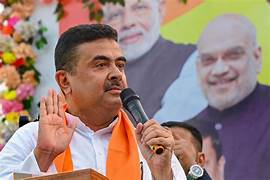
In a significant cultural and political announcement that has ignited enthusiasm across West Bengal and beyond, Chief Minister Suvendu Adhikari has unveiled plans for a towering 125-foot statue of Dr. Syama Prasad Mookerjee, alongside a dedicated memorial and library in Kolkata. The grand initiative coincides with the 125th birth anniversary celebrations of the legendary statesman, educationist, and founder of the Bharatiya Jana Sangh, underscoring a renewed commitment to honoring icons who played pivotal roles in India’s independence and integration.
Addressing BJP workers and supporters during an organizational interaction program in Dum Dum, CM Adhikari declared that the state cabinet has already approved the projects. “A 125-foot-tall statue, a memorial, and a library will be built on land purchased specifically for this purpose to honor Dr. Mookerjee,” he stated emphatically. The announcement comes as part of broader commemorative and development initiatives aimed at preserving the rich legacy of one of Bengal’s most influential figures.
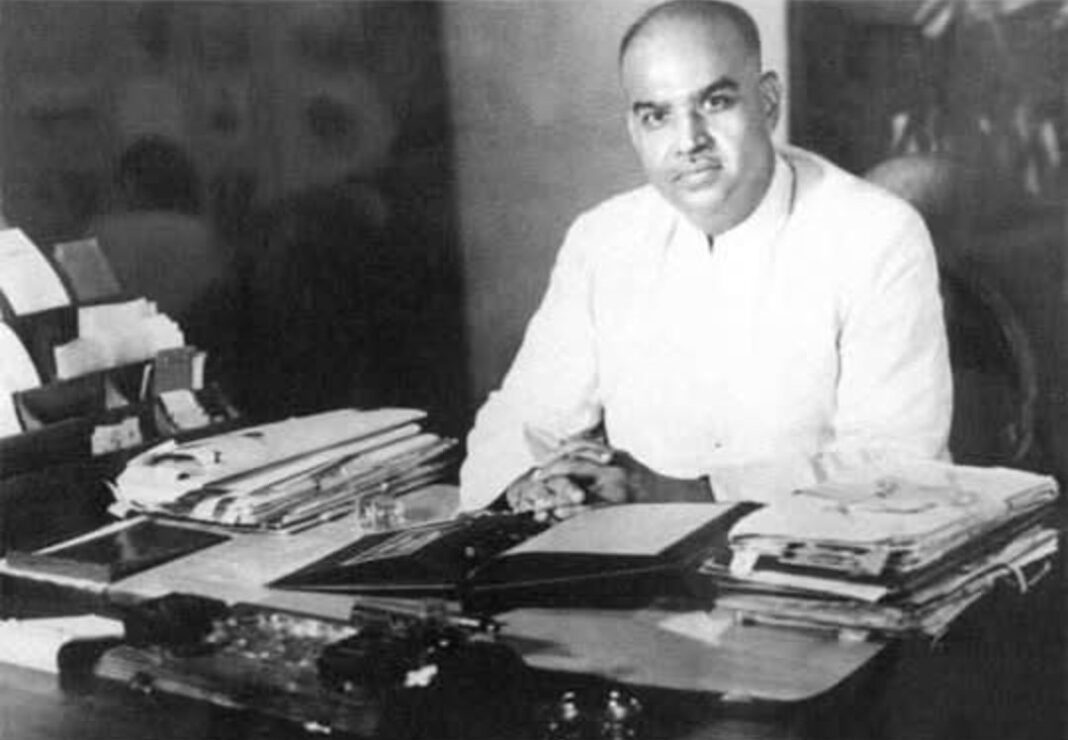
Dr. Syama Prasad Mookerjee, born on July 6, 1901, in Kolkata, was a towering personality whose contributions to education, politics, and nation-building remain etched in India’s history. A brilliant academic, he became the youngest Vice-Chancellor of Calcutta University at the age of 33. His political journey saw him serve as Finance Minister of Bengal and later as a Union Minister in independent India’s first cabinet under Prime Minister Jawaharlal Nehru. However, his unwavering commitment to national unity led him to part ways and establish the Bharatiya Jana Sangh in 1951, the ideological precursor to the Bharatiya Janata Party (BJP).
Mookerjee’s most enduring legacy stems from his fierce opposition to the partition of Bengal in 1947 and his instrumental role in ensuring that West Bengal remained an integral part of the Indian Union. Alongside figures like Swami Pranavananda, he worked tirelessly to safeguard Bengal’s identity within a united India, resisting efforts that could have further fragmented the region. His slogan “Ek desh mein do nishan, do pradhan, do vidhan” (One country, two symbols, two prime ministers, two constitutions) became a powerful rallying cry against Article 370, which granted special status to Jammu and Kashmir. Mookerjee’s martyrdom in 1953 while in detention in Kashmir continues to inspire generations of nationalists.
The proposed 125-foot statue is set to become one of the tallest monuments in Kolkata, symbolizing the towering ideals Mookerjee stood for. Sources indicate that prime land has been identified and acquired for the project, which will not only feature the colossal statue but also a state-of-the-art memorial complex and a comprehensive library housing rare documents, books, and archives related to his life and times. This multifaceted tribute is expected to serve as an educational hub, attracting scholars, students, and tourists from across the country.
CM Adhikari, while paying rich tributes, highlighted Mookerjee’s deep connection with Bengal’s cultural and intellectual heritage. “Dr. Syama Prasad Mookerjee was not just a leader; he was a visionary who fought for Bengal’s pride and India’s integrity. This statue will stand as a beacon of inspiration for future generations, reminding us of the sacrifices made to keep our motherland united,” he remarked. The Chief Minister also outlined additional development plans linked to the anniversary, including cultural programs, seminars, and welfare initiatives across the state.
Political analysts view this announcement as a strong signal of the new BJP-led government’s priorities in West Bengal. After assuming power, the administration under Suvendu Adhikari has focused on reclaiming and celebrating Bengal’s nationalist icons, many of whom were sidelined in previous narratives. The project is also seen as a counter to decades of perceived ideological suppression, where figures like Mookerjee, Netaji Subhas Chandra Bose, and others were not given their due prominence in state-sponsored commemorations.
The 125th birth anniversary celebrations are part of a nationwide effort. The Government of India has declared a two-year commemoration period from July 2025 to July 2027, featuring exhibitions, publications, and events that delve into Mookerjee’s multifaceted contributions to education, politics, and social reform. In West Bengal, the statue project elevates these efforts to a new level, promising to transform a corner of Kolkata into a site of historical reverence.
ALSO READ-
- ‘Mann Ki Baat’ Dedicated to India’s Unity, Prosperity and Holistic Development: Mayor Madhusudan Yadav
- Departmental Review Meeting Held in Kabirdham to Assess Progress of Schemes and Development Works
- ‘Mann Ki Baat’ Episode 136 Heard Across 63 Booths of BJP North Mandal in Rajnandgaon
- Seva Setu Initiative Crucial to Making Governance More Accountable: Collector Jitendra Yadav
- Police Must Conduct an Impartial Probe, Not Act Under Political Pressure: Madhusudan Yadav
Reactions to the announcement have been overwhelmingly positive among BJP supporters and nationalist circles. Social media has been abuzz with messages of appreciation, with many hailing it as a “long-overdue tribute.” Local residents near the proposed site have expressed excitement about the economic and cultural boost the monument is likely to bring, including increased footfall, tourism, and associated infrastructure development.Critics from opposition parties, however, have raised questions about the project’s timeline and funding priorities amid other developmental challenges in the state.
CM Adhikari’s team has assured that the initiative will be executed efficiently with public-private partnerships where feasible, without compromising essential welfare schemes.As West Bengal turns a new page under its current leadership, the 125-foot statue of Dr. Syama Prasad Mookerjee is poised to become more than just a monument—it will embody the spirit of resilience, intellectual excellence, and uncompromising patriotism. Expected to be completed in phases over the coming years, the complex will include landscaped gardens, interactive exhibits, and an amphitheater for cultural events, making it a living tribute rather than a static structure.
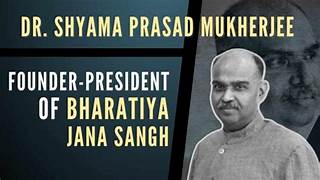
Dr. Mookerjee’s ideals of cultural nationalism, educational reform, and national integration resonate strongly in today’s India. His emphasis on quality higher education led to significant reforms during his tenure as Vice-Chancellor. Politically, his foresight on issues like Kashmir and uniform civil code continues to influence policy debates. The library component of the project is particularly significant, as it aims to digitize and preserve thousands of historical records, making them accessible to researchers worldwide.This announcement also aligns with broader efforts to beautify and culturally enrich Kolkata.
From the iconic Victoria Memorial to modern installations, the city has long been a canvas of historical narratives. The new Mookerjee statue will add a powerful chapter, especially in a city that was once the epicenter of India’s freedom struggle and intellectual renaissance.Chief Minister Suvendu Adhikari’s vision extends beyond the statue. He has called upon party workers and citizens to actively participate in the anniversary celebrations through grassroots programs, including cleanliness drives, blood donation camps, and educational outreach in Mookerjee’s name. These initiatives aim to translate the leader’s legacy into tangible community benefits.
As preparations gain momentum, anticipation builds for the foundation stone laying ceremony, expected to be a grand affair attended by national leaders. The 125-foot colossus, once erected, will not only dominate Kolkata’s skyline but also serve as a daily reminder of the debt the nation owes to Dr. Syama Prasad Mookerjee—a son of Bengal who lived and died for a stronger, united India.In the words of many admirers, this project is not merely construction; it is a resurrection of pride, a reaffirmation of values, and a bold step towards shaping a future rooted in the wisdom of the past. West Bengal, under its dynamic leadership, is set to lead from the front in this cultural renaissance.