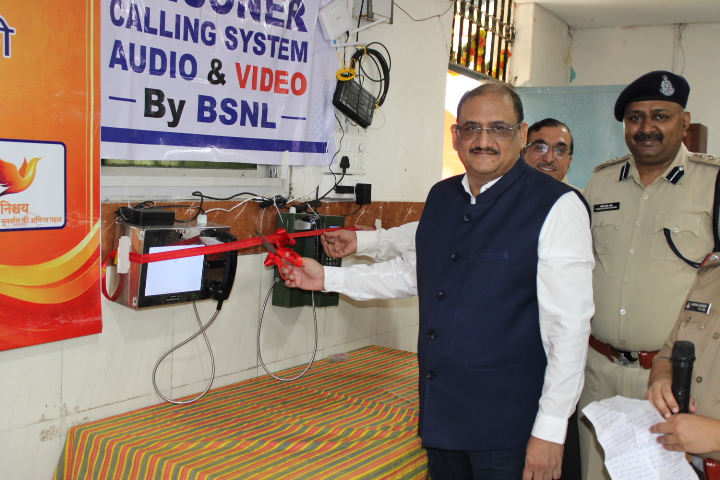



‘Green Gold’ drives self-reliance as forest wealth transforms livelihoods, empowers women, and connects local products to global markets
Published on: May 12, 2026
By: Dhananjay Rathore, Joint Director
Ashok Kumar Chandravanshi, Assistant Public Relations Officer
Location: Raipur, India
Chhattisgarh, widely known as the Herbal State, is steadily reshaping its rural economy through its rich forest resources and forward-looking government policies. The state’s forest produce—often referred to as “Green Gold”—has moved beyond local consumption and is now gaining recognition in national and global markets.
This transformation is not only contributing to forest conservation but is also fostering self-reliance, confidence, and economic security among rural communities. The evolving model reflects how sustainable utilization of natural resources can drive inclusive development.
‘Green Gold’: The Real Wealth of Forests
Minor forest produce forms the backbone of Chhattisgarh’s rural economy. Products such as tendu leaves and bamboo are considered key components of the state’s “Green Gold” due to their diverse utility and commercial value.
Alongside these, lac, honey, rare medicinal plants, and valuable timber species including teak, sal, bija, and shisham are found in abundance across the state. Through modern processing techniques, these raw materials are now being converted into high-value finished products, significantly enhancing income opportunities for forest-dependent communities.
Jamgaon M Central Processing Unit: A Powerhouse of Forest Economy
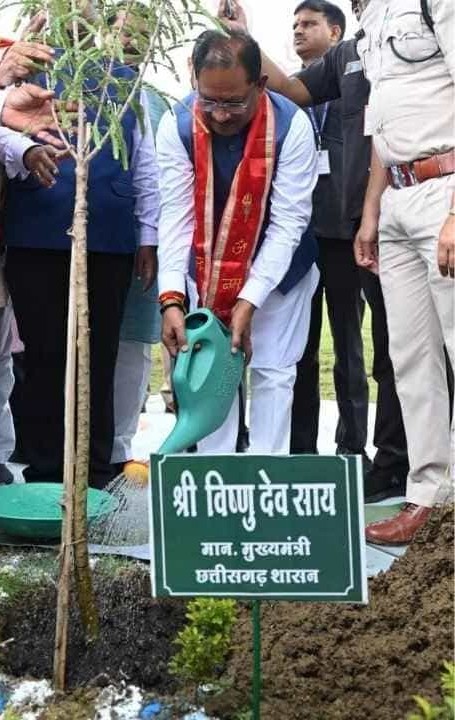
The Central Processing Unit at Jamgaon M, inaugurated by Chief Minister Shri Vishnu Deo Sai and Forest Minister Shri Kedar Kashyap, has emerged as a major milestone in strengthening the forest-based economy.
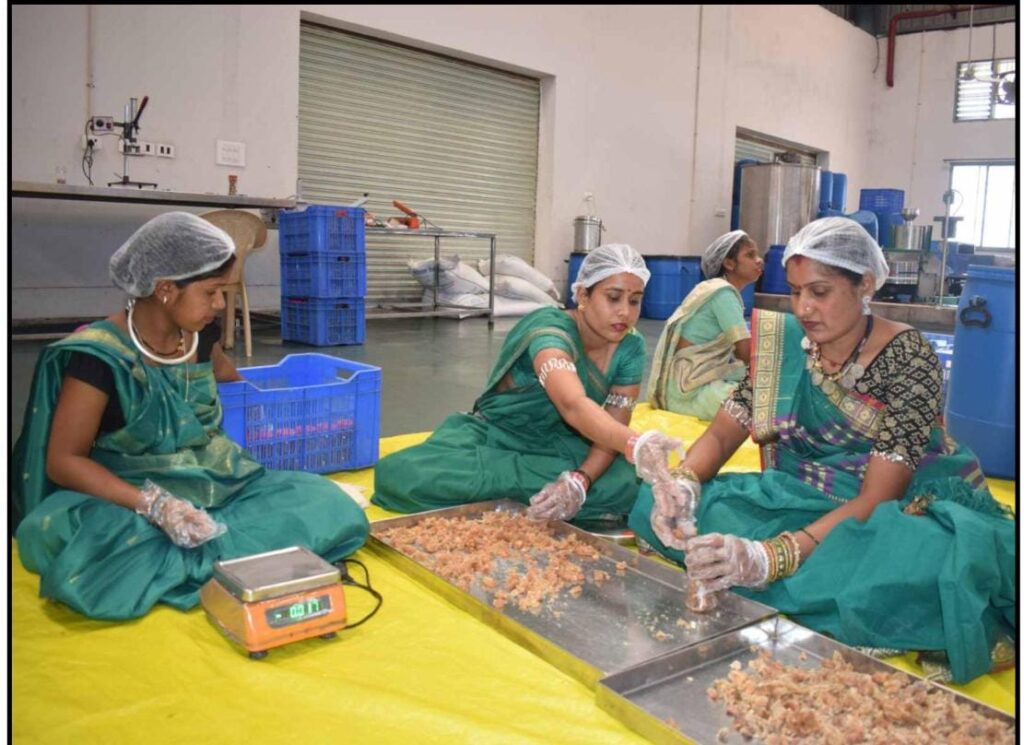
At this facility, forest produce such as amla, bel, giloy, and ashwagandha are processed into value-added products including juices, candies, and herbal powders. The unit is supported by advanced scientific storage infrastructure featuring modern warehouses with a capacity of 20,000 metric tonnes, ensuring safe storage and protecting collectors from market price fluctuations.
‘Chhattisgarh Herbals’: From Local Identity to Global Reach
The state government’s official brand Chhattisgarh Herbals has become synonymous with purity and natural wellness products. The network of Sanjeevani stores has expanded remarkably—from just 30 outlets to more than 1,500 stores across the state.
With the integration of e-commerce platforms, these herbal products are now available through major online marketplaces, expanding their reach beyond regional boundaries. Popular products include bhringraj oil, neem oil, chyawanprash, pure honey, mahua-based products, bel sharbat, and a range of Ayurvedic formulations.
Women Empowerment: Backbone of the Rural Economy
Women self-help groups stand at the centre of this transformation. Women from remote and tribal regions are actively engaged in machine operations, quality testing, and product packaging.
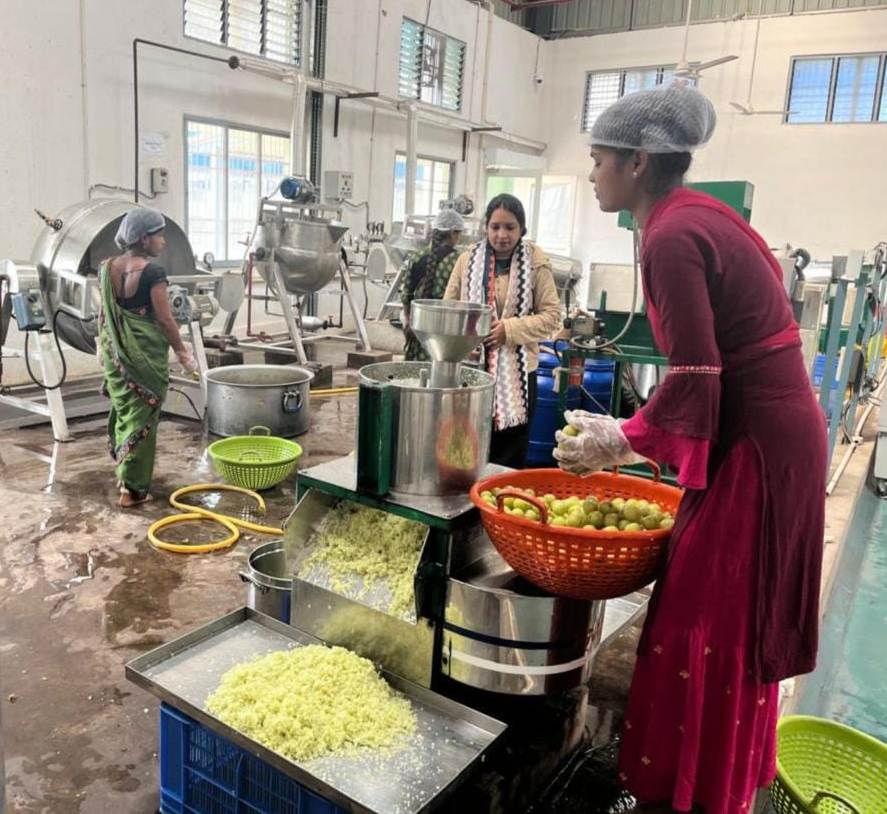
This participation has significantly reduced migration from rural areas while enhancing household incomes. The model has emerged as a successful example of economic empowerment among tribal women, strengthening both social inclusion and financial independence.
Herbal Extraction Unit (2025): Building the Future
Looking toward future growth, the Herbal Extraction Unit established in 2025 has positioned Chhattisgarh as an emerging herbal manufacturing hub. The unit produces high-quality extracts from medicinal plants that are witnessing increasing demand in international pharmaceutical and wellness industries.
With this shift, the state is no longer merely a supplier of raw forest produce but has evolved into a producer of refined, value-added herbal products.
Also read-
- Suspicious Death of 32-Year-Old Man Sparks Sensation in Rajnandgaon’s Deendayal Upadhyay Nagar
- Collector Inspects Rural Roads Amid Rising Complaints Over Poor Condition in Rajnandgaon
- Rajnandgaon District Hospital Receives FSSAI 5-Star Eat Right Campus Certification
- From Severe Acute Malnutrition to Normal Nutrition: Yaakshi Makes a Remarkable Recovery
- Three Members of Same Family Killed in Road Accident, Gahirabhedi Mourns