

Farm Power Consumers Rise Eightfold, Domestic Consumers Grow 2.5 Times as Infrastructure Expands Rapidly
Published on: January 13, 2025
By: BTNI
Location: Rajnandgaon, India
Over the past 25 years, Rajnandgaon district has witnessed remarkable growth in the power sector, with the Chhattisgarh State Power Distribution Company Limited (CSPDCL) scripting a new chapter of electrical infrastructure development and reliable power supply. This sustained expansion has not only strengthened electricity availability but has also led to a sharp rise in the number of consumers across all categories.
Rajnandgaon district came into existence on January 26, 1973, after being separated from the then Durg district. Historically known as Nandgram, the region has a rich legacy shaped by the rule of Somvanshi, Kalchuri and Maratha dynasties. Its palaces, havelis and temples stand testimony to its glorious cultural and social heritage. Renowned literary figures such as Gajanan Madhav Muktibodh, Padumlal Punnalal Bakshi and Baldev Prasad Mishra have added to its intellectual prominence.
Administrative reorganisation over the years has altered the district’s geographical size. In July 1998, parts of Rajnandgaon were carved out to form Kabirdham district, and in 2022, two new districts—Khairagarh-Chhuikhadan-Gandai and Mohla-Manpur-Ambagarh Chowki—were created, reducing Rajnandgaon’s area to 8,022.55 square kilometres.
Despite these changes, the district has recorded significant progress in power infrastructure. Due to continuous development and improved reliability of electricity supply, the number of consumers has increased from 1,18,027 to 2,51,353, while total electricity connections have risen from 1,25,373 to 3,03,942. The number of agricultural consumers has seen an exceptional eightfold jump, from 7,308 to 52,336. Overall, electricity consumers have increased by 145 percent over the last 25 years.
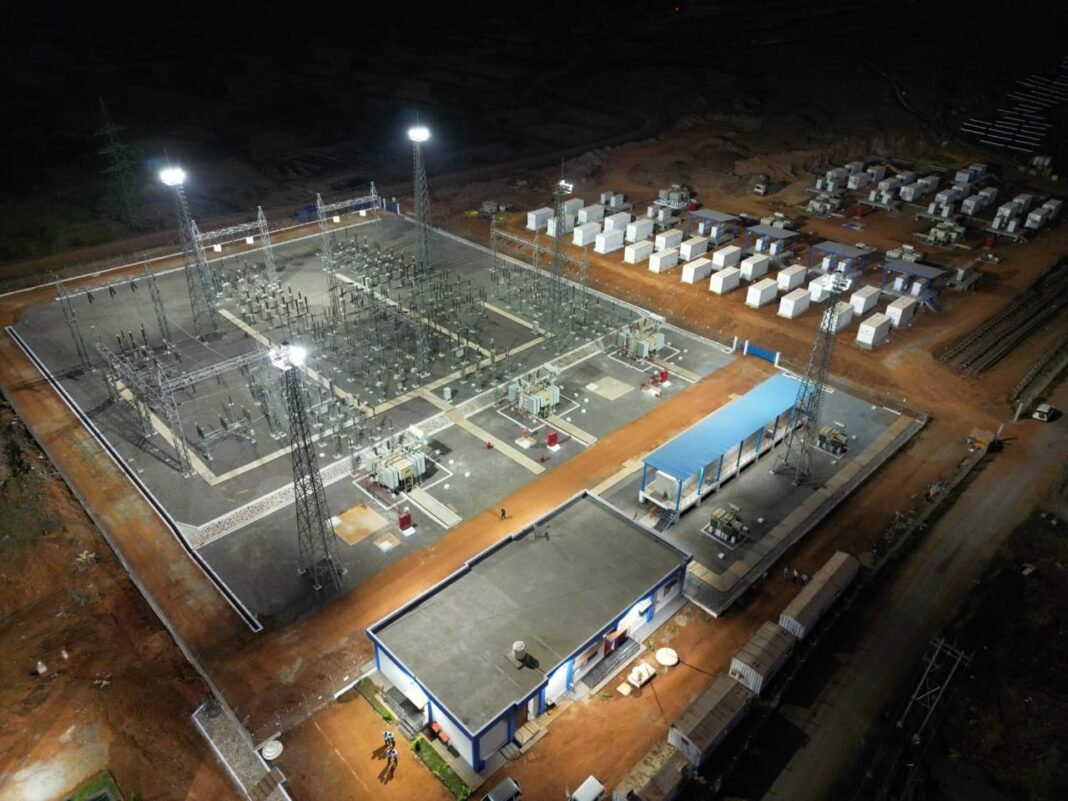
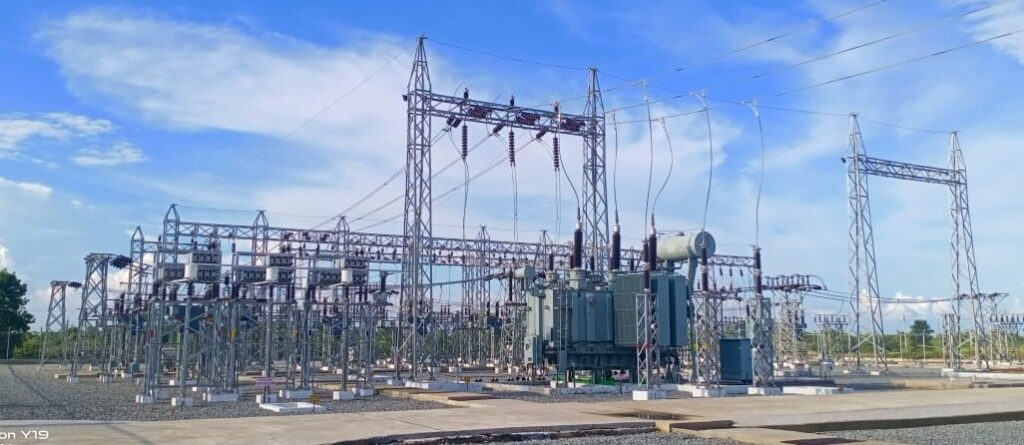
To meet the growing demand, CSPDCL has substantially expanded power infrastructure. The number of 132/33 kV substations has increased from one to four, with capacity rising from 40 MVA to 263 MVA. Similarly, the capacity of 33/11 kV substations has grown from 77.8 MVA to 366.55 MVA, while their number has increased from 14 to 49. The number of power transformers has risen from 20 to 115, and distribution transformers from 1,202 to 9,185.
Also read- https://www.btnewsindia.com/chhattisgarh-extends-mandi-fee-exemption-for-rice-exporters-by-one-year/ https://www.btnewsindia.com/approval-granted-for-underpass-and-service-lane-on-nh-53-marking-major-boost-to-rajnandgaons-road-safety/
Transmission and distribution networks have also expanded significantly. High-tension lines have increased from 2,020.03 km to 4,822.74 km, while low-tension lines have grown from 3,461.94 km to 9,699.22 km. To ensure efficient service delivery, three zones and 22 distribution centres have been established, enabling uninterrupted power supply to all 3,03,942 consumers and achieving 100 percent village electrification.
In a move towards modernisation, 2,37,430 smart meters have already been installed in the district, providing consumers with improved monitoring and billing transparency. With domestic consumers increasing 2.5 times and irrigation pumps eight times, Rajnandgaon’s power sector growth stands as a strong foundation for agricultural, industrial and socio-economic development.