

World Philosophy Day Lecture Held at Govt. Digvijay College Highlights the Global Relevance of India’s Knowledge Traditions
Published on: November 22, 2025
By: BTNI
Location: Rajnandgaon, India
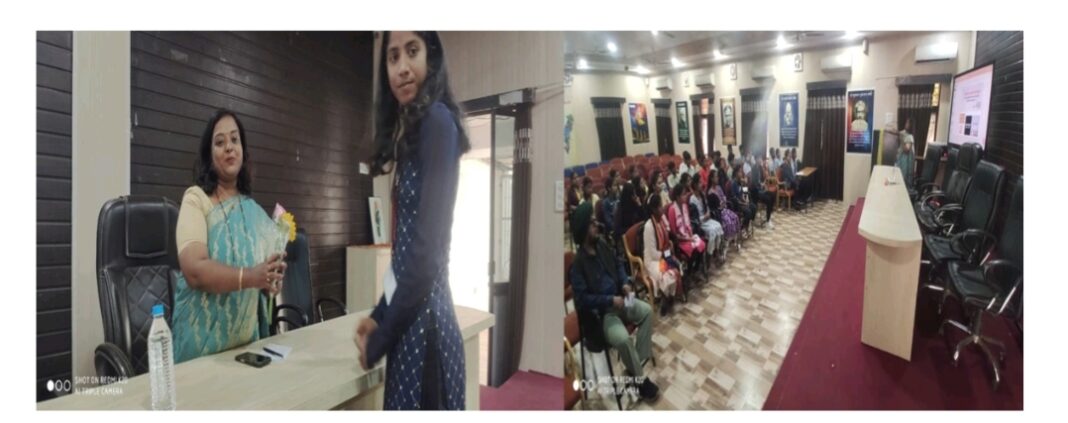
On the occasion of World Philosophy Day, the Department of Philosophy at Govt. Digvijay College organised a distinguished guest lecture featuring renowned scholar Dr. Divya Deshpande. In her comprehensive address, Dr. Deshpande highlighted the global significance of Indian philosophical traditions and their timeless ethical framework.
She explained that the word “Bharat” carries the essence of “Bha”—meaning light—which symbolises India’s luminous philosophical heritage that has guided humanity for nearly six millennia. Indian life-values, she said, are unique yet universally relevant in contemporary times.
“Shiva Sankalpa Is the Essence of Earth’s Ethical Values”
Quoting the Shiva Sankalpa Suktam from the 34th chapter of the Yajurveda, she noted:
“When a sage prays for a mind filled with auspicious resolves, it reflects not just personal purity but the ethical aspirations of the entire world.”
She emphasised that Indian philosophy rests upon positivity, welfare, and universal harmony—qualities that continue to inspire global thought and sustain ethical governance.
Also read- https://www.btnewsindia.com/supreme-court-drops-a-bombshell-warns-maharashtra-govt-of-cancelling-local-body-elections-over-50-reservation-breach/ https://www.btnewsindia.com/कुनो-में-इतिहास-रचा-भारत-म/
Relevance to This Year’s Global Theme
Referring to this year’s World Philosophy Day theme—
“Ethical Governance in the Age of Modern Technology”,
she pointed out that Indian philosophy has long provided a clear moral framework grounded in human dignity, truth, duty, and social justice.
Insights from Epics and Classical Concepts
Dr. Deshpande elaborated on foundational ideas such as Varnashram, Purusharthas, Karma, Rebirth, and Indian codes of conduct, using relatable examples from the Ramayana and Mahabharata.
“Indian civilisation protects nature and nurtures humanity,” she said, adding that Lord Rama unified forest communities, defeated anti-nature and unethical forces, and restored moral governance in Ayodhya.
Active Participation by Faculty and Students
The session saw enthusiastic participation from teachers and students alike. The vote of thanks was delivered by Department Head Dr. Harnam Singh Alreja.
Among those present were Prof. Hirendra Bahadur Thakur, Prof. Sanjay Saptarshi, Prof. D.K. Verma, Prof. Shraddha Devi, teacher Neelam, and students from the Philosophy and Yoga departments.