

Medicinal Plant Board’s New Action Plan Empowering Rural Women Through Sustainable Livelihoods
Published on: May 03, 2026
By: Dhananjay Rathore
Designation: Joint Director, Public Relations
Location: Raipur, India
Chhattisgarh’s rich forest-based medicinal resources are emerging not only as a foundation for healthcare but also as a powerful driver of economic self-reliance for women across the state. Under the leadership of Chief Minister Vishnu Deo Sai, the state government’s vision of good governance is being implemented on the ground with strategic guidance from Forest and Climate Change Minister Kedar Kashyap and Chairman of the Chhattisgarh Tribal, Traditional Health Practices and Medicinal Plant Board Vikas Markam.
Medicinal plants such as Giloy, Kalmegh, Baheda, Safed Musli, Wild Turmeric, Gudmar, Ashwagandha, and Shatavari are now being processed into herbal extracts and value-added products, creating new livelihood opportunities for rural women.
Bridging Traditional Knowledge with Scientific Recognition
With a commitment to preserving traditional wisdom, the Medicinal Plant Board has initiated a systematic effort to scientifically document indigenous healthcare practices. Local healers and traditional practitioners possessing knowledge of remedies for chronic and complex ailments are being identified and supported.
The initiative aims to provide rural women and traditional knowledge holders a structured platform where their expertise benefits society while strengthening their financial independence. This effort represents not merely administrative intervention but a recognition of cultural heritage preserved for generations by tribal and rural communities.
By integrating traditional herbal knowledge with modern scientific validation, Chhattisgarh is transforming its forest wealth into sustainable livelihood opportunities.
From Collection to Processing: A New Era of Rural Entrepreneurship
A significant transformation is visible as women who once collected forest produce are now emerging as entrepreneurs and manufacturers. Under the Board’s guidance, women Self-Help Groups (SHGs) are receiving training in advanced medicinal plant processing techniques.
This initiative promotes conservation of medicinal species while simultaneously enhancing incomes for forest dwellers and minor forest produce collectors. More than 1,500 traditional healers across the state are being connected to institutional frameworks that support cultivation, value addition, and marketing of herbal products.
The Chhattisgarh Tribal Traditional Health Practices and Medicinal Plant Board is actively ensuring technical assistance, community participation, and sustainable commercialization.
Value Addition Strengthening Rural Economy
Value addition of medicinal herbs has become a cornerstone of the state’s herbal economy. Through scientific processing, raw forest produce is converted into powders, extracts, oils, and herbal formulations, significantly increasing product value and quality.
Under the “Chhattisgarh Herbals” brand, the state government is promoting these products in organized markets. Direct financial benefits are reaching women’s bank accounts, effectively eliminating middlemen.
More than 65 minor forest produce species are being procured under Minimum Support Price (MSP) and processed for commercial use. The initiative is positioning Chhattisgarh as a leading herbal state where tradition meets modern technology.
Global Recognition for ‘Chhattisgarh Herbals’
Known as the “Herbal Hub,” Chhattisgarh’s dense forests—particularly in Bastar—are home to over 160 rare medicinal plant species. Herbs like Ashwagandha, Sarpagandha, Gokshura, Kutki, and Tikhur thrive naturally in the region.
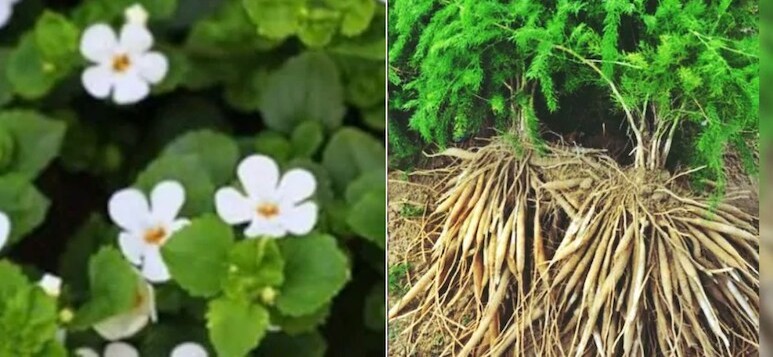
To overcome market challenges, the Board has strengthened transparent marketing mechanisms. Through exhibitions and retail outlets, herbal products are being directly connected to urban consumers.
The initiative aligns with Prime Minister Narendra Modi’s “Vocal for Local” vision and supports the state government’s “Lakhpati Didi” campaign, accelerating women-led economic growth.
Nursery Development Creating Local Employment
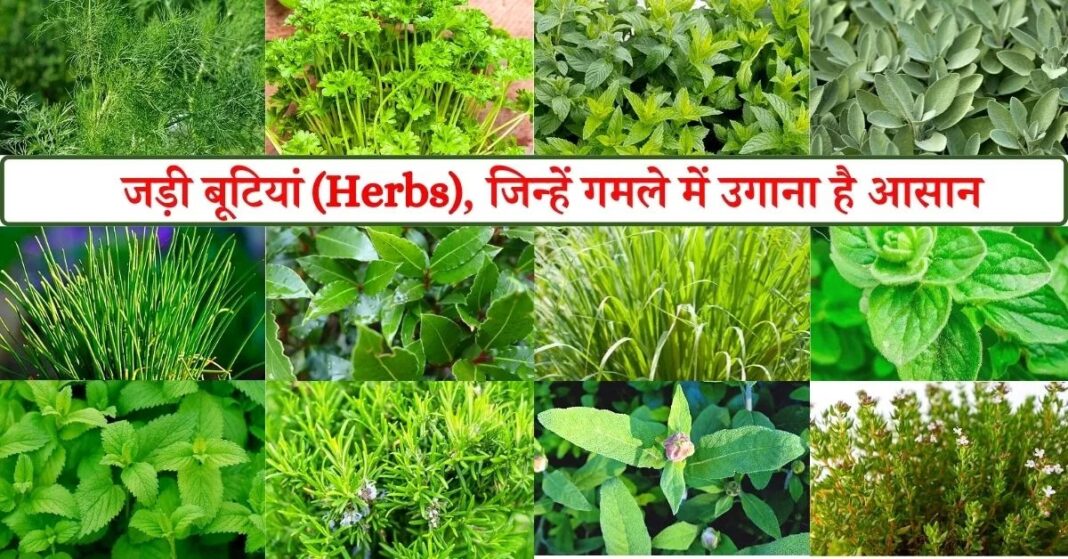
Medicinal plants are now being promoted through kitchen gardens, home gardens, terraces, balconies, and container gardening systems. Controlled growing environments allow optimal soil nutrition, sunlight, and moisture management for each herb.
Women’s groups are being entrusted with developing mother nurseries for medicinal plants, ensuring conservation of rare species while generating year-round employment opportunities. The program is also helping reduce migration from forest regions by creating sustainable local livelihoods.
Prosperous Women, Empowered Chhattisgarh
The state government’s integrated approach demonstrates that the Chhattisgarh Tribal Traditional Health Practices and Medicinal Plant Board is functioning not merely as an administrative body but as a guiding institution.
Through collective leadership and institutional reforms, women in forest regions are becoming financially independent. The growing confidence and prosperity among rural women reflect the emerging vision of a self-reliant and empowered Chhattisgarh.
Also read-
- Visitors Continue to Meet Padma Shri Phoolbasan Bai After Foiled Abduction Attempt; Udayachal Family Extends Support
- Rajnandgaon News: State Health Services in Poor Condition Due to Government Failure, Alleges Congress Leader Shahid Bhai
- Sushasan Tihar Brings Relief to Farmer Lekhuram; Receives Kisan Book Instantly at Grievance Camp
- Rajnandgaon Crime News: Chichola Police Crack Down on Illegal Liquor Trade; One Accused Arrested with Country Liquor Consignment
- Online Applications for Subsidised Agricultural Equipment and Irrigation Pumps to Begin from May 7