

Focus on improving credit-deposit ratio, strengthening rural development initiatives and financial inclusion
Published on: March 08, 2026
By: BTNI
Location: Rajnandgaon, India
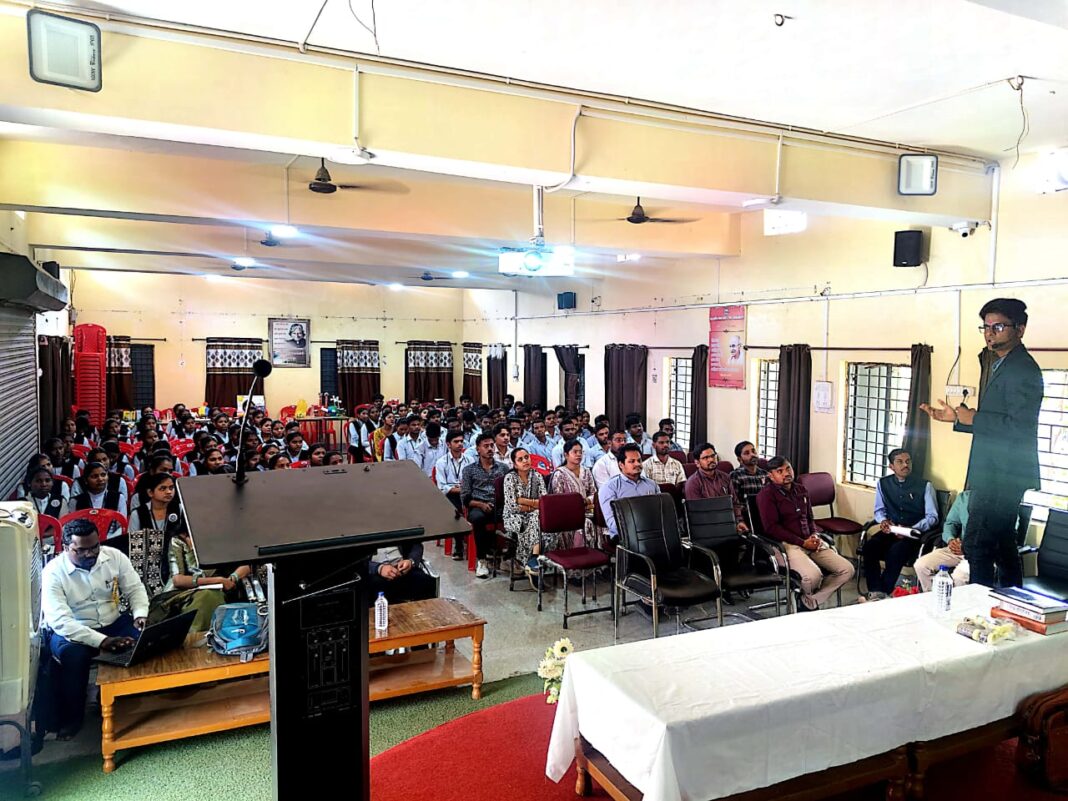
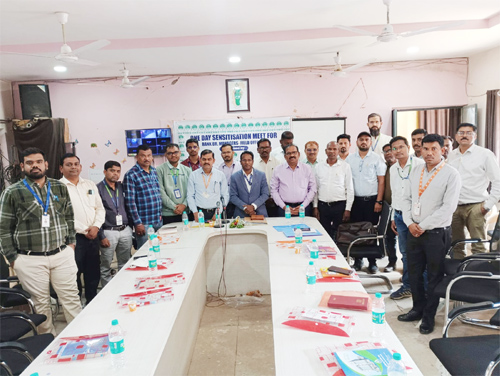
The District Development Manager of NABARD, Manoj Kumar Nayak, organized a one-day awareness conference on February 27, 2026, at the Janpad Panchayat office in Mohla for bank branch managers and field officers.
The conference brought together representatives from commercial banks, private banks, CGB Regional Rural Bank (CGBRRGVY), District Central Cooperative Bank (DCCB), and small finance banks. Participants discussed various key initiatives and explored opportunities for collaboration aimed at accelerating rural development and strengthening financial outreach in the district.
During the program, Lead District Manager (LDM) K.M. Singh of Mohla–Manpur–Ambagarh Chowki and Chief Executive Officer of Janpad Panchayat Mohla, Dr. Pranjal Prajapati, addressed the gathering. They emphasized the importance of improving the Credit-Deposit (CD) ratio and extending stronger support to government-sponsored development schemes.
CEO Dr. Prajapati urged the participating banks and field officials to work collectively to ensure effective implementation of development programs in the district. He stressed that coordinated efforts between financial institutions and government agencies are essential to bring sustainable progress in rural areas.
Also read- https://www.btnewsindia.com/19-साल-की-उम्र-में-बनीं-चार्ट/ https://www.btnewsindia.com/international-womens-day-special/
The conference also highlighted several flagship schemes and initiatives of NABARD aimed at strengthening the rural economy. These included the Micro Enterprise Development Programme (MEDP), which promotes small businesses and entrepreneurship; the Livelihood and Enterprise Development Programme (LEDP) designed to empower women Self-Help Groups; and Skill Development Programs focused on enhancing the capabilities of unemployed youth.
Officials also discussed initiatives such as the development of Rural Haats (markets) to strengthen local trade, innovative marketing concepts like mobile carts and chana shops, and Integrated Tribal Development Programs aimed at the holistic development of tribal communities.
Other key initiatives highlighted included Integrated Watershed Development (LREDP) for sustainable water resource management, strengthening Farmer Producer Organizations (FPOs) to empower farmers collectively, and various climate change projects designed to enhance climate resilience and sustainability in rural regions.
In addition, the conference discussed the importance of the Kisan Credit Card (KCC) scheme for ensuring easier access to credit for farmers, agriculture infrastructure development projects, and credit guarantee support to financial institutions to facilitate greater lending to rural enterprises.
Special attention was also given to promoting the Micro, Small and Medium Enterprises (MSME) sector, which plays a significant role in generating employment opportunities and boosting the rural economy.
According to officials, the primary objective of the conference was to enhance coordination among stakeholders, accelerate rural development initiatives, and strengthen financial inclusion across the district. Participants expressed optimism that such collaborative platforms would help improve implementation efficiency and deliver greater benefits to rural communities.