

Janglesar cultivator shifts from paddy to horticultural crops, citing higher returns, lower water use and reduced cultivation costs
Published on: July 02, 2026
By: BTNI
Location: Rajnandgaon, India
Crop diversification is steadily reshaping agricultural practices in Rajnandgaon district, with an increasing number of farmers adopting low water-intensive crops in place of traditional paddy cultivation. Backed by technical guidance, awareness campaigns and extension support from the Agriculture and Horticulture Departments, farmers are increasingly turning to horticultural crops, pulses and oilseeds to improve profitability while promoting sustainable farming practices.
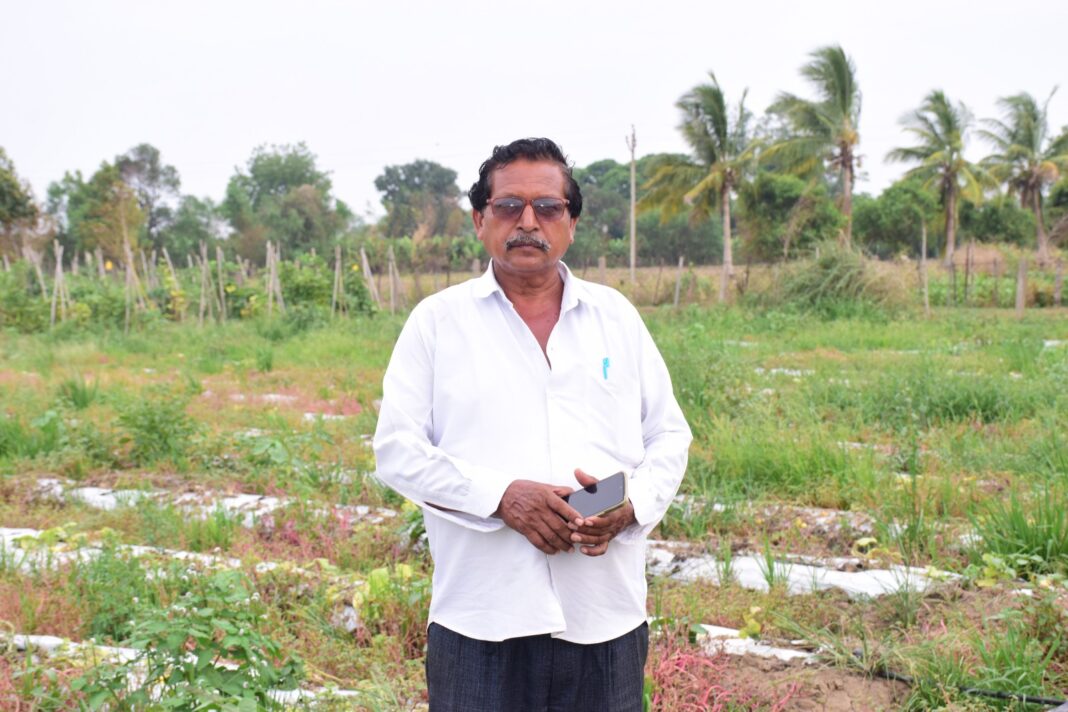
In Janglesar village of Rajnandgaon development block, farmers have decided to cultivate alternative low water-consuming crops on more than 21 acres of agricultural land during the current kharif season instead of paddy. Among them, progressive farmer Daulatram Sahu has emerged as an example of the growing shift towards crop diversification.
Sahu said he cultivates approximately eight acres of farmland and had been growing paddy for several years. However, the high water requirement, increasing production costs and dependence on favourable weather conditions meant that the returns from paddy cultivation often fell short of expectations.
ALSO READ-
- Rakesh Joshi Appointed Acting State President of Chhattisgarh PHED Contractors’ Association
- Crop Diversification Transforms Farming Outlook of Rajnandgaon Farmer Daulatram Sahu
- PM Surya Ghar Scheme Brings Electricity Cost Relief to Rajnandgaon Entrepreneur Raman Nahata
- ‘Viksit Bharat G-RAM-G’ Mission Launched; Rural Employment Increased to 125 Days
- Rajnandgaon Mineral Department Imposes Nearly ₹19 Lakh Penalty in Crackdown on Illegal Sand Mining
He said his perspective changed after participating in farmers’ workshops, crop diversification campaigns and technical guidance programmes organised by the Agriculture and Horticulture Departments. Encouraged by the information provided, he experimented with horticultural crops on a portion of his land during the previous season and achieved better-than-expected returns.
Following the successful trial, Sahu decided to cultivate horticultural crops across his entire farmland during the current kharif season instead of paddy.
According to him, horticultural and other alternative crops require significantly less irrigation than paddy, involve lower cultivation costs and often fetch better market prices, resulting in improved profitability. He said adopting crop diversification has made his farming operations more economically viable and believes that farmers can enhance their incomes by selecting crops suited to local climatic conditions and water availability.
Sahu also referred to the Chhattisgarh Government’s decision to promote crop diversification from the 2026 kharif season onwards. Under the initiative, farmers cultivating alternative crops such as pulses, oilseeds, maize, kodo millet, kutki, ragi and cotton in place of paddy will be eligible for input assistance of ₹15,000 per acre.
He expressed gratitude to Chief Minister Vishnu Deo Sai for the initiative and appealed to fellow farmers across the district to adopt low water-consuming crops based on the availability of land, water resources and local conditions.
Sahu said crop diversification is not only a means of increasing farm income but also an effective approach to conserving water resources, maintaining soil fertility and promoting sustainable agriculture.