

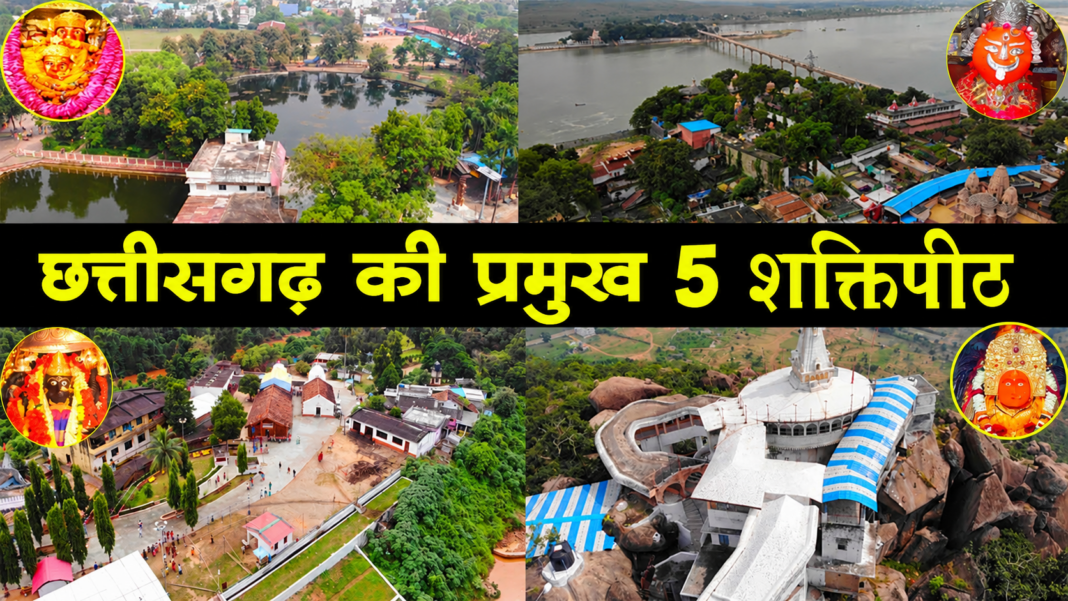

A proposed 1,000-kilometre spiritual tourism corridor aims to connect Maa Bamleshwari, Maa Mahamaya, Maa Danteshwari, Maa Bageshwari and Maa Chandrahassini temples, strengthening pilgrimage infrastructure and regional tourism
Published on: October 15, 2026
By: By Dhananjay Rathore
Joint Director, Public Relations, Raipur Location: Raipur, India
Chhattisgarh’s rich spiritual traditions, ancient temples and diverse cultural heritage make it an important destination for religious and cultural tourism. With the objective of improving pilgrimage facilities and connecting major religious destinations, the state government has initiated the Shaktipeeth Project, envisioned as a spiritual tourism corridor on the lines of Uttarakhand’s Char Dham pilgrimage circuit.
The proposed initiative aims to develop five prominent Shaktipeeths—Kudargarh, Dongargarh, Ratanpur, Chandrapur and Dantewada—as an integrated religious tourism circuit. The project envisages improvements in infrastructure, accessibility, visitor amenities and the overall experience of pilgrims visiting these sacred destinations.
Under the Chhattisgarh Aastha Path (Shaktipeeth Darshan) Yojana, the state has made a budgetary provision of ₹5 crore for the financial year 2026–27 for a programme focused on visiting and worshipping at the five Shaktipeeths.
A Spiritual Corridor Connecting Five Sacred Destinations
The proposed Shaktipeeth circuit is intended to connect five important temples associated with the religious traditions and cultural identity of Chhattisgarh. The broader vision includes the development of an approximately 1,000-kilometre spiritual and religious tourism corridor, with improved roads, visitor facilities, rest areas and security arrangements.
The initiative seeks to make pilgrimage more convenient while supporting tourism-related economic activity. Better access and visitor amenities could also benefit local communities and businesses associated with religious tourism.
The five major destinations identified for the circuit are:
- Maa Bamleshwari Temple, Dongargarh, Rajnandgaon district
- Maa Mahamaya Temple, Ratanpur, Bilaspur district
- Maa Danteshwari Temple, Dantewada, Bastar region
- Maa Bageshwari Temple, Kudargarh, Surajpur district
- Maa Chandrahassini Temple, Chandrapur, Sakti district
The Chhattisgarh Tourism Board and district administrations are undertaking efforts to improve temple surroundings and facilities for devotees. Detailed project preparation for several sites is also in progress.
Central Government Support for Maa Mahamaya Temple
A comprehensive development plan worth ₹200 crore has been prepared for Maa Mahamaya Temple in Ratanpur under the Central Government’s PRASHAD scheme—Pilgrimage Rejuvenation and Spiritual Heritage Augmentation Drive—and forwarded to the Union Ministry of Tourism.
According to the project information provided, the next steps, including agency selection and commencement of work, will follow approval of the proposal.
The historic temple is associated with the Kalachuri rulers and is believed to have been built during the 11th–12th centuries. Maa Mahamaya is revered as a principal deity of the region and holds a significant place in the religious traditions of Ratanpur.
Proposals for preparing Comprehensive Project Reports (CPRs) for the other prominent sites—Dongargarh, Kudargarh, Chandrapur and Dantewada—are also under process.
The PRASHAD scheme seeks to improve pilgrimage infrastructure and enhance the experience of visitors at important religious destinations. The proposed inclusion and development of major temples in Chhattisgarh could strengthen the state’s religious tourism potential, subject to the relevant approvals.
Facilities Planned for Pilgrims and Tourists
The proposed development of the five Shaktipeeths envisages a range of amenities to improve convenience, safety and accessibility. These include:
- Better road connectivity and clearly marked access routes
- Safe drinking water, lighting and modern public toilets
- Parking facilities and designated resting areas
- Gardens, seating arrangements and spaces for religious rituals
- Railings and other measures to improve visitor safety
- Tourist assistance centres and digital information systems
- CCTV surveillance, security arrangements and first-aid facilities
- Accommodation options, including homestays
- Ropeway facilities where planned and technically feasible
- Tourism information centres and improved visitor services
The development approach is also expected to take into account the local architecture, cultural traditions and natural surroundings of each destination. Preserving the distinctive character of the temples and their surrounding landscapes will be important as facilities are upgraded.
1. Maa Bamleshwari Temple, Dongargarh

Located amid the picturesque hills of Dongargarh in Rajnandgaon district, Maa Bamleshwari Temple is among Chhattisgarh’s most prominent centres of religious devotion. The hilltop shrine stands approximately 1,600 feet above sea level and attracts devotees from across the state and beyond.
Local religious traditions associate the temple’s origins with the ancient settlement of Kamakhya Nagari. According to a popular account, King Virasena worshipped Lord Shiva and Goddess Durga after remaining childless and subsequently established the temple following the blessing of a son. The shrine is also associated with later periods of development under regional rulers.
The temple’s historical origins are described in varying ways, with some accounts tracing its legacy back more than two millennia. Its enduring significance, however, is reflected in the large number of devotees who visit throughout the year, particularly during Navratri.
Improved access, lighting, visitor management, rest facilities and safety infrastructure could help make visits more convenient while preserving the temple’s sacred hill setting.
2. Maa Mahamaya Temple, Ratanpur
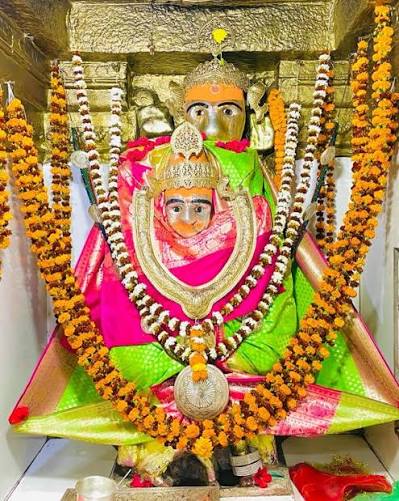
Situated in Ratanpur in Bilaspur district, Maa Mahamaya Temple is a historic shrine associated with the Kalachuri dynasty. The temple is commonly dated to the 11th–12th centuries and is linked to King Ratnadeva I, who is credited in historical traditions with establishing the shrine.
The temple is revered as an important centre of Shakti worship. According to religious belief, a part of Goddess Sati fell at this location, contributing to its sacred status. The shrine is also known for its distinctive representation of the goddess, with Mahishasuramardini at the front and an image associated with Goddess Saraswati at the rear.
The proposed ₹200-crore development plan under the PRASHAD scheme could support improvements in infrastructure and visitor amenities, subject to approval by the Central Government.
Better access, sanitation, parking, visitor assistance and facilities for pilgrims would help strengthen Ratanpur’s role as a major religious destination.
3. Maa Danteshwari Temple, Dantewada
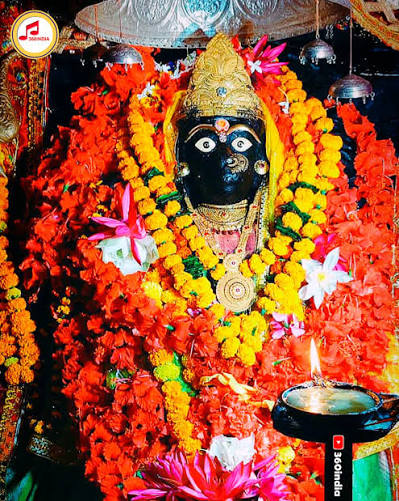
Maa Danteshwari Temple, located in Dantewada in the Bastar region, represents an important meeting point of Sanatan religious traditions and local tribal culture. The temple stands near the confluence of the Shankhini and Dankini rivers and has long been a centre of devotion for local communities.
According to religious belief, a tooth of Goddess Sati fell at this site, giving the place and its presiding deity their names. The temple is traditionally associated with the Bastar rulers, who revered Maa Danteshwari as their family deity.
The shrine is particularly significant during the world-renowned Bastar Dussehra celebrations. The ceremonial movement of the goddess’s palanquin and sacred insignia between Dantewada and Jagdalpur forms an important part of the region’s cultural and religious traditions.
Tourism development at the site can help improve pilgrim facilities while respecting the customs, community participation and cultural practices that make Bastar’s religious heritage distinctive.
4. Maa Bageshwari Temple, Kudargarh
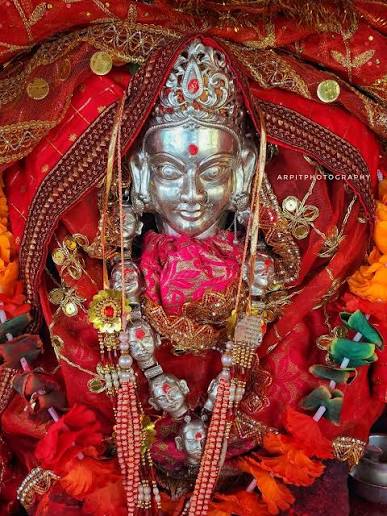
Located in the Odgi development block of Surajpur district, Maa Bageshwari Temple at Kudargarh stands amid forested hills at an elevation of approximately 1,500 feet.
The site is associated with local traditions that describe the area as a place of spiritual austerity and the manifestation of the goddess’s power. Popular accounts also connect the temple’s history with King Baland, followed by later patronage and traditions of worship involving the Baiga tribal community.
The temple’s natural surroundings and distinctive cultural practices make it an important destination for religious and nature-linked tourism. Any infrastructure development will need to balance visitor convenience with the protection of the surrounding forests and local traditions.
Improved access, safe pathways, drinking water, sanitation, resting places and visitor guidance could make the pilgrimage more comfortable, particularly during major religious occasions.
5. Maa Chandrahassini Temple, Chandrapur

Located in Chandrapur in Sakti district, Maa Chandrahassini Temple stands near the confluence of the Mahanadi and Mand rivers. The shrine is a well-known centre of devotion and is closely connected with regional traditions of Shakti worship.
According to popular accounts, the temple is associated with King Chandrahas, whose name is also linked to the town and the goddess. Historical traditions further refer to renovation work undertaken by Gond rulers.
Religious beliefs associate the site with Goddess Sati, while the temple’s setting near the river confluence adds to its appeal for pilgrims and visitors.
The proposed Shaktipeeth circuit could help improve visitor access and essential services at Chandrapur, while protecting the temple’s cultural identity and natural surroundings.
Tourism as a Driver of Economic and Cultural Development
Beyond its religious significance, the Shaktipeeth Project is intended to strengthen tourism infrastructure and create opportunities for local economic activity. Improved visitor facilities can support demand for transport, accommodation, food services, local products and other tourism-related businesses.
The broader objectives include promoting sustainable tourism, preserving Chhattisgarh’s cultural heritage, improving the quality of visitor experiences and encouraging responsible private investment in tourism infrastructure.
Local communities also have an important role to play. Respect for traditional knowledge, cultural practices and community rights will be essential to ensuring that tourism development benefits residents as well as visitors.
The promotion of concepts such as eco-tourism and adventure tourism, alongside religious tourism, could further diversify the state’s tourism offerings.
A New Direction for Religious Tourism in Chhattisgarh
The proposed Shaktipeeth circuit represents an effort to bring five prominent religious destinations into a more coordinated tourism framework. The ₹5-crore budget provision for the 2026–27 Aastha Path initiative and the proposed ₹200-crore development plan for Maa Mahamaya Temple under the PRASHAD scheme are important elements of the broader development vision.
The ultimate impact will depend on project approvals, implementation, maintenance and the quality of facilities delivered at each destination.
With careful planning, improved connectivity, adequate visitor amenities and respect for local traditions, the Shaktipeeth Project has the potential to strengthen Chhattisgarh’s position as a destination for spiritual tourism while supporting cultural preservation and local livelihoods.
ALSO READ-
- Chhattisgarh UCC Panel Seeks Views from Social and Community Representatives
- Chhattisgarh Ranks No. 1 in Sugarcane Procurement Price, Raises Rate to ₹425 per Quintal
- Chhattisgarh’s Shaktipeeth Project: Five Major Religious Sites Set for Development
- Mahtari Sadan in Somni to Empower Rural Women and Boost Self-Reliance
- Gond Community, Temple Trust and Royal Family Seek Action Against Rumours Ahead of Dongargarh Panchami Puja