

House Listing and Housing Census to be Conducted from May 1 to May 30, 2026; Self-Enumeration Option Introduced Under Digital Initiative
Published on: April 24, 2026
By: BTNI
Location: Raipur, India
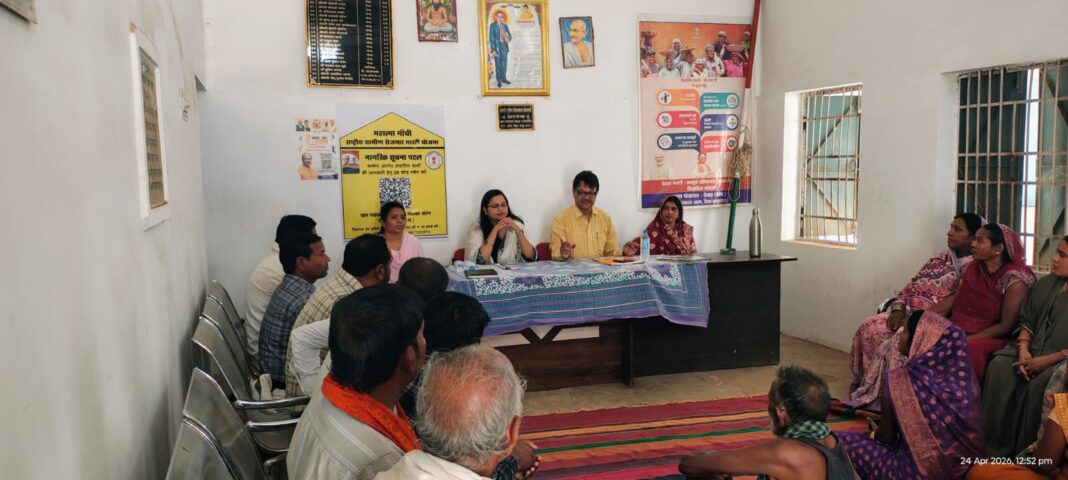
Special Gram Sabhas were organised in various districts of Chhattisgarh on April 24, 2026, to create awareness among villagers regarding the upcoming Census 2027 and the self-enumeration process. The campaign aims to encourage citizens to provide accurate information through digital platforms, assist census enumerators and actively participate in the house listing process.
During the meetings, villagers were guided on how to fill their details online through the Census portal using mobile phones. Tehsildars and designated village-level officers conducted live demonstrations of the census portal, enabling residents to understand the process of submitting correct information digitally.
Officials highlighted that accurate census data plays a crucial role in improving future development schemes, resource distribution and administrative decision-making.
Awareness Campaign Conducted in Multiple Gram Panchayats
Special Gram Sabha meetings were held in Gram Panchayat Devda under Tilda–Mandir Hasaud tehsil, Gram Panchayat Nahardih, Gram Panchayat Nimora and Gram Panchayat Khamtarai under Arang tehsil. During these gatherings, villagers were informed about all essential aspects related to the census process and their queries were addressed comprehensively.
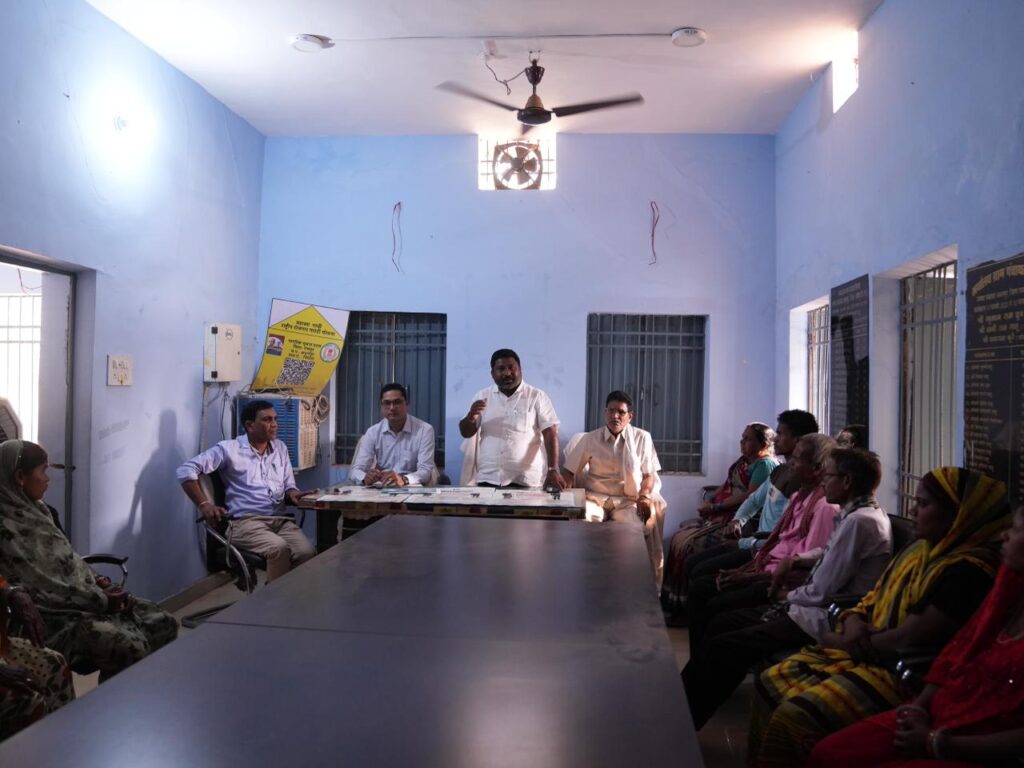
Authorities emphasised the importance of providing accurate information and reassured citizens about the confidentiality of census data. Officials clarified that all information collected during the census remains strictly confidential and is used solely for statistical purposes.
Sarpanchs, Deputy Sarpanchs, Panchayat Secretaries, public representatives and villagers actively participated in the meetings.
First Phase: House Listing and Housing Census
Under Census 2027 conducted by the Government of India, the first phase—House Listing and Housing Census—will be carried out across Chhattisgarh from May 1 to May 30, 2026, over a period of 30 days.
This phase is considered a crucial component of the census process, during which detailed information regarding residential and non-residential buildings, housing conditions, usage patterns and available facilities will be collected.
Self-Enumeration Option Introduced
As part of the Digital India initiative, citizens have been provided the option of self-enumeration for greater convenience. Interested families can submit their household and housing details online through the designated portal between April 16 and April 30, 2026.
Families completing self-enumeration will receive a Self-Enumeration ID, which must be preserved and shared with the census enumerator during field verification.
Information to be Collected
Under this phase, information will be gathered on:
- Number, status and type of buildings and houses
- Usage of houses (residential, commercial or other)
- Nature of construction (kutcha, pucca or semi-pucca)
- Number of families and housing details
- Availability of basic amenities such as drinking water, toilet facilities and electricity connections
- Type of cooking fuel and LPG usage
- Internet and communication facilities
This data will support socio-economic planning, urban and rural development, housing schemes, water and sanitation programmes and infrastructure expansion across the country.
Also read-
- Rakesh Joshi Appointed Acting State President of Chhattisgarh PHED Contractors’ Association
- Crop Diversification Transforms Farming Outlook of Rajnandgaon Farmer Daulatram Sahu
- PM Surya Ghar Scheme Brings Electricity Cost Relief to Rajnandgaon Entrepreneur Raman Nahata
- ‘Viksit Bharat G-RAM-G’ Mission Launched; Rural Employment Increased to 125 Days
- Rajnandgaon Mineral Department Imposes Nearly ₹19 Lakh Penalty in Crackdown on Illegal Sand Mining
Role of Enumerators and Citizen Participation
Enumerators will visit every household during the scheduled period with authorised identity cards, which citizens can verify. Residents have been requested to cooperate by providing complete and accurate information.
Families that have completed self-enumeration must share their Self-Enumeration ID with the visiting enumerator.
Census Data Key to Inclusive Development
The census is the country’s largest administrative exercise, helping the government assess population trends, housing conditions and the availability of basic services. The data collected serves as the foundation for designing more effective, inclusive and evidence-based development policies.