

Over 6.25 million quintals procured from 1.24 lakh farmers; administration foils illegal sale attempt worth ₹363 crore through real-time monitoring
Published on: January 30, 2026
By: BTNI
Location: Rajnandgaon, India
Guided by Collector Jitendra Yadav and in line with the state government’s farmer-friendly directives, Rajnandgaon district successfully completed paddy procurement at Minimum Support Price for the Kharif Marketing Year 2025–26, ensuring a smooth and dispute-free process for eligible farmers.
The procurement drive, conducted from November 15, 2025, to January 30, 2026, witnessed participation from 1,24,095 farmers, with a total purchase of 62,53,504 quintals of paddy. The overall value of procurement stood at ₹1,484.57 crore, which has been credited to farmers’ bank accounts, significantly strengthening the rural economy.
District officials ensured quick grievance redressal during the campaign, resolving issues of more than 600 farmers related to registration, land area and crop data. Demonstrating transparency, 71,790 farmers voluntarily surrendered 55,790 acres under the Rakba Samarpan initiative, effectively preventing brokers and middlemen from offloading nearly 11 lakh quintals of paddy valued at ₹363 crore.
Also read- https://www.btnewsindia.com/collector-directs-principals-to-work-in-mission-mode-to-improve-class-10-and-12-board-results/ https://www.btnewsindia.com/paddy-procurement-policy-strengthens-farmers-trust-in-government-in-rajnandgaon/
On the Collector’s directions, the district launched its most stringent action to date against illegal traders. A total of 243 cases were registered against those attempting to bring paddy from other states, leading to the seizure of 43,900 quintals of paddy worth ₹13.60 crore and confiscation of 50 vehicles.
The administration utilised the Satark App for real-time monitoring, enabling immediate action against irregularities in transportation and procurement.
Administrative Innovations
Several administrative innovations were introduced this year to streamline procurement. Night-long vigilance was deployed at district borders and sensitive routes to block illegal inflow of paddy. Each procurement centre was assigned nodal officers, district-level nodal officers and micro-observers.
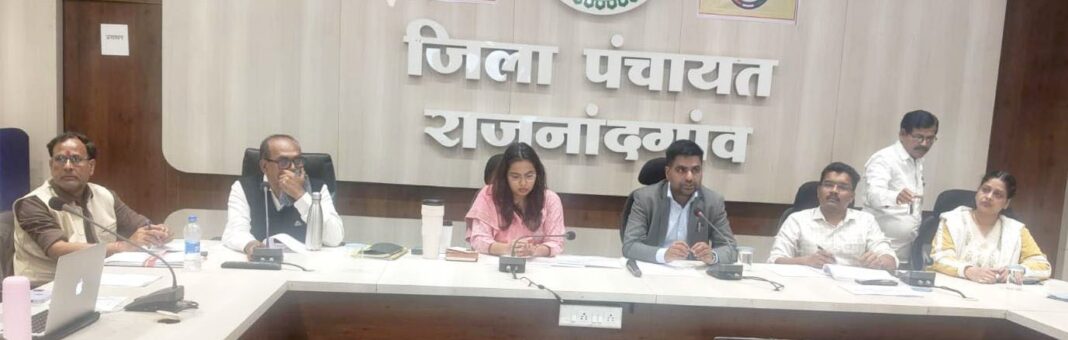
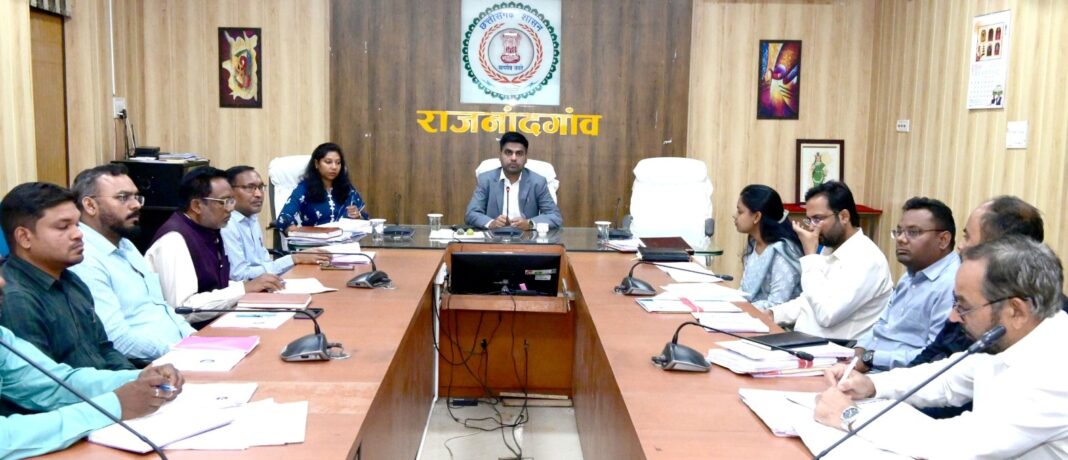
A 50-member special inspection team conducted weekly surprise checks and physical verification at centres. Regular review meetings were held with rural agriculture extension officers, patwaris, cooperative managers, data entry operators and nodal officers to frame forward action plans. Officials delivering outstanding performance were also felicitated to boost morale.
These coordinated efforts ensured transparency, timely procurement and fair pricing, reinforcing farmer confidence in the state’s procurement mechanism.