

Final day witnesses brisk activity at procurement centres; strict action taken against illegal traders and middlemen
Published on: January 30, 2026
By: BTNI
Location: Rajnandgaon, India
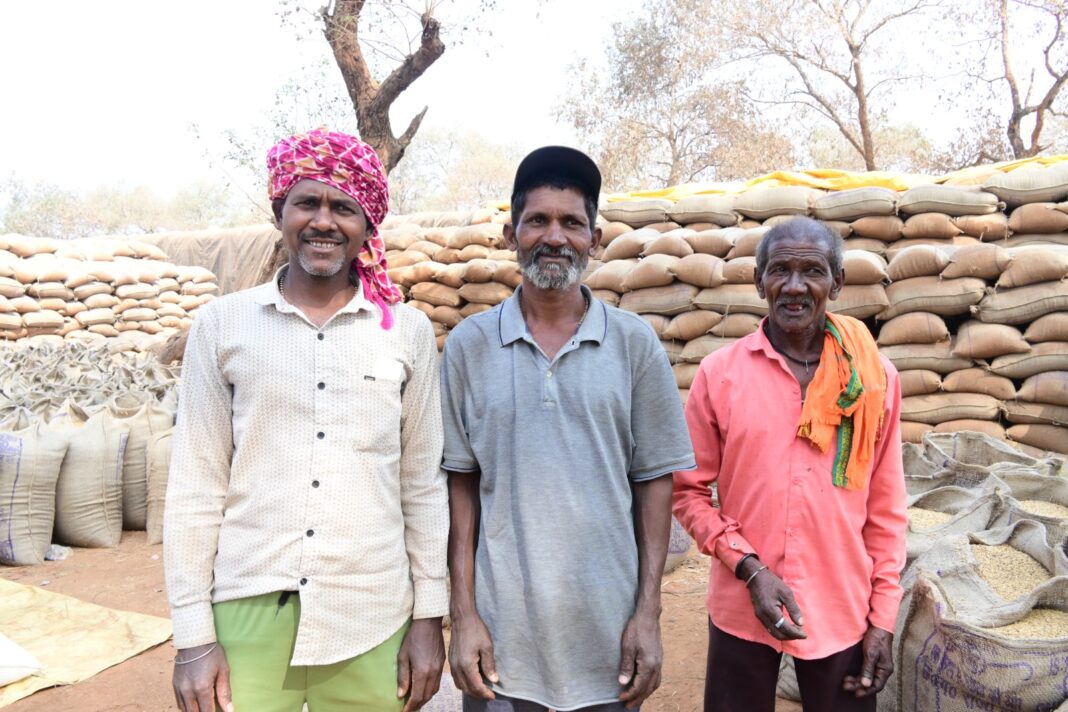
The paddy procurement mega drive under the Kharif Marketing Year 2025–26 concluded on Friday with vibrant activity across procurement centres in Rajnandgaon district, as farmers turned up in large numbers on the final day of purchase.
Under the Minimum Support Price and Krishak Unnati Yojana, paddy was procured at ₹3,100 per quintal, with a ceiling of 21 quintals per acre. Guided by Collector Jitendra Yadav, the district administration ensured smooth operations at all centres through well-planned arrangements.
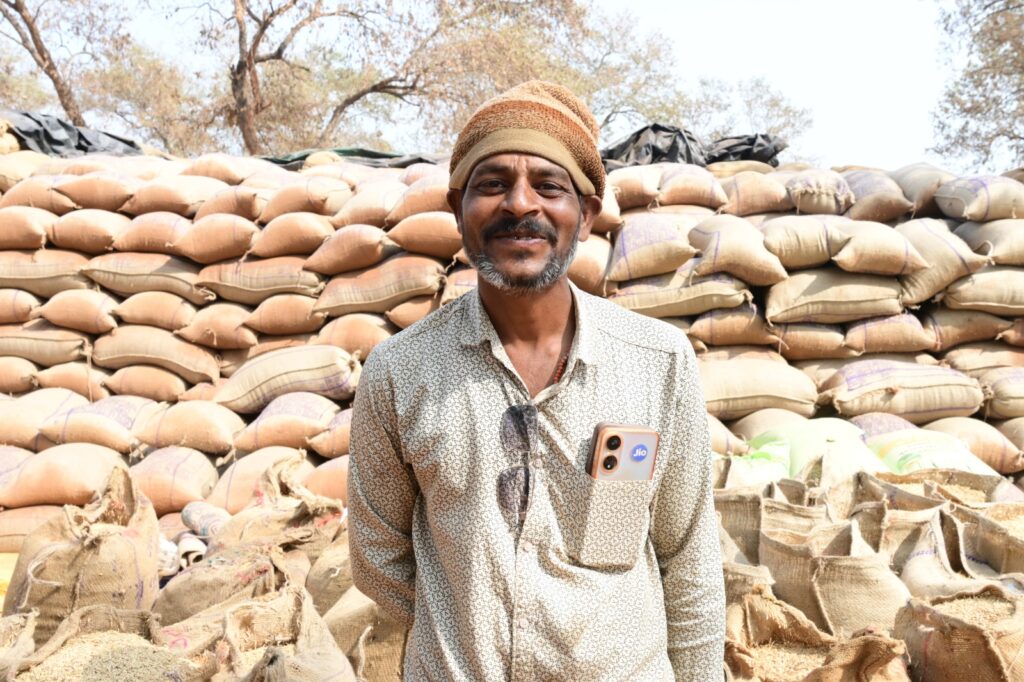
Facilities such as electronic weighing machines, drinking water, shaded waiting areas, biometric devices, labour support and other essential amenities were provided. Moisture levels of paddy were checked using humidity measuring instruments to maintain quality standards.
On the Collector’s directions, rate lists and procurement details were prominently displayed at all 96 procurement centres in the district. Continuous monitoring was carried out to prevent irregularities, while strict action was taken against brokers and middlemen attempting illegal paddy transactions.
Farmers benefited from the Token Tumhar Haath mobile application, which enabled them to obtain sale tokens digitally, saving time and reducing crowding at centres. Sale proceeds were transferred directly to farmers’ bank accounts within 72 hours.
Also read- https://www.btnewsindia.com/ifs-trainee-officers-receive-hands-on-training-in-dgps-survey-and-wildlife-management-at-barnawapara-sanctuary/ https://www.btnewsindia.com/rajnandgaons-disaster-mitra-master-trainers-felicitated-after-national-recognition-meet-collector/
Official figures show that a total of 62,49,033.20 quintals of paddy worth ₹1,483 crore 51 lakh 25 thousand was procured from 1,24,041 registered farmers during the campaign. Lifting of procured paddy is continuing, with 18,36,551.40 quintals already transported from procurement centres.
District authorities stated that coordinated administrative efforts, real-time supervision and strict enforcement against illegal trading ensured transparency and efficiency throughout the procurement process, reinforcing farmer confidence in the system.