
India’s Firm Stance Against Pressure Leads to Breakthrough Tariff Reduction Deal
Published on: February 05, 2026
By: BTNI
Location: New Delhi, India
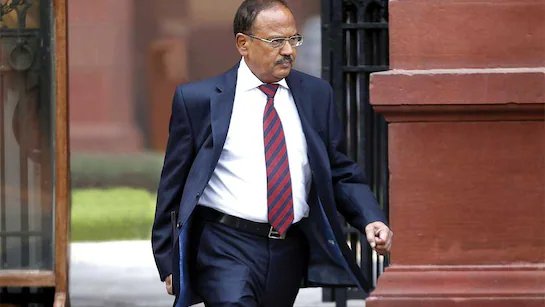
In a significant display of strategic resolve, India’s National Security Adviser Ajit Doval played a pivotal role in navigating tense India-US trade negotiations during President Donald Trump’s administration. According to a Bloomberg report, widely cited by Indian and international media, Doval delivered a clear message during a private meeting with US Secretary of State Marco Rubio in early September 2025.
Amid escalating tariffs and public criticisms from the US side, Doval conveyed that India would not be bullied by President Trump or his senior aides. He emphasized that New Delhi was fully prepared to wait out the remainder of Trump’s presidential term if necessary, rather than accept unfavorable terms under duress. Drawing from India’s historical experience in handling challenging relations with previous US administrations, Doval underscored the country’s commitment to protecting its core national interests through patience and long-term diplomacy.
The key reset conditions outlined by Doval included a strong request for the Trump administration to significantly tone down its public criticism of India. He argued that only in a more constructive and respectful atmosphere—free from coercive rhetoric and threats—could meaningful progress resume on a bilateral trade agreement. This approach reflected India’s confidence in its economic resilience and strategic autonomy, signaling that partnerships must be based on mutual respect rather than unilateral pressure.
The meeting came at a critical juncture, following heightened tensions triggered by US punitive tariffs (reaching up to 50% on certain Indian goods) and demands related to India’s energy imports, particularly from Russia. Doval’s visit to Washington aimed to de-escalate acrimony and reopen channels for negotiation, even as India maintained its independent foreign policy stance.Weeks after this interaction, signs of easing emerged.
Also read- https://www.btnewsindia.com/entrance-examination-for-classes-5-9-and-11-scheduled-on-february-22-for-academic-year-2026-27/ https://www.btnewsindia.com/union-budget-anti-village-anti-poor-and-anti-middle-class-congress-spokesperson-kamaljeet-pintu/
Tensions gradually subsided, paving the way for renewed talks. On February 2, 2026, President Trump announced a trade deal following a call with Prime Minister Narendra Modi. The agreement substantially reduced US tariffs on key Indian exports from 50% to 18%, removing a previously imposed 25% punitive duty. This relief benefited sectors like textiles, seafood, jewelry, and pharmaceuticals, providing a major boost to Indian exporters and job creators.
While Trump highlighted additional commitments—including India’s shift away from Russian oil purchases toward US and Venezuelan sources, and potential increases in US goods procurement—Indian officials focused on the tariff cuts as the core achievement. Prime Minister Modi welcomed the reduced barriers, noting they would enhance “Made in India” products’ competitiveness in the US market.
This episode illustrates India’s effective use of diplomatic patience and firmness. By refusing to yield to immediate pressure while keeping dialogue open, New Delhi helped reshape the narrative from confrontation to cooperation. The outcome reinforced India’s position as a confident global player capable of safeguarding its interests in high-stakes bilateral engagements. With the deal now in place, both nations appear positioned for stronger economic ties, built on more balanced terms.