

Scientist Highlights Role of Cyanobacteria in Boosting Paddy Yield and Reducing Chemical Fertilizer Dependency
Published on: April 23, 2026
By: BTNI
Location:Rajnandgaon, India
Eco-Friendly Solution for Sustainable Agriculture
Dr. Gujan Jha, Head and Senior Scientist at Krishi Vigyan Kendra (KVK) Rajnandgaon, shared detailed information regarding the importance of Blue-Green Algae (BGA) in paddy and other crops. Blue-Green Algae, also known as cyanobacteria, are photosynthetic microorganisms found in freshwater and marine environments.
She explained that Blue-Green Algae function as a natural bio-fertilizer by fixing atmospheric nitrogen in paddy fields, thereby improving soil fertility and increasing crop productivity. It is considered a cost-effective and sustainable alternative to chemical fertilizers.
Natural Nitrogen Fixation Enhances Crop Yield
According to Dr. Jha, Blue-Green Algae absorb nitrogen directly from the atmosphere and stabilize it in the soil, helping to overcome nitrogen deficiency in crops. Their use can increase paddy yield by 10 to 15 percent while reducing expenditure on urea and other chemical fertilizers.
Blue-Green Algae are also commonly known as cyanobacteria, blue-green moss, or blue-green algae. Their application in agriculture helps save approximately 25–30 kilograms of nitrogen per hectare by naturally supplying essential nutrients to plants.
Benefits for Soil Health and Crop Growth
The use of Blue-Green Algae offers several advantages in paddy cultivation:
- Enhances soil organic matter, making soil more fertile and porous.
- Promotes beneficial microorganisms in the soil ecosystem.
- Supports better root development in paddy crops.
- Reduces dependence on chemical fertilizers, lowering cultivation costs.
- Improves overall productivity by up to 15 percent.
Certain strains such as Anabaena and Nostoc are particularly effective as biological nitrogen fertilizers. Through photosynthesis, these microorganisms release oxygen into water bodies, benefiting aquatic life including fish and other organisms. They also help maintain water quality by utilizing carbon dioxide and excess nutrients.
Also read-
- Collector Reviews Land Demarcation Work in Kanharpuri Fields, Sets April 30 Deadline for Case Disposal
- Blue-Green Algae Emerging as Low-Cost and Sustainable Bio-Fertilizer for Crops: KVK Expert
- National Manuscript Survey Launched Under Gyan Bharatam Mission; Three Manuscripts Identified in Rajnandgaon
- BJP Burns Effigy of Congress Over Opposition to Nari Shakti Vandan Act in Rajnandgaon
- Development-Oriented Budget Sets New Direction for Rajnandgaon: Ganjpara School to Become Hi-Tech Model
Safety Precautions in Usage
Dr. Jha cautioned that not all naturally occurring algae are safe for agricultural use. Some naturally sourced algae may contain toxic substances such as microcystins, which can harm the liver. Therefore, farmers should use only certified and laboratory-grown algae cultures.
Method for Producing Blue-Green Algae
Blue-Green Algae can be easily cultivated at home or on farms using a simple process:
- Prepare a pit measuring approximately 2 m × 3 m × 0.2 m in a sunny area.
- Mix 100 kg dry soil with 10–15 kg cow dung manure.
- Fill water up to 5–10 cm height.
- Add 200 grams of super phosphate fertilizer.
- Introduce 1–2 kg starter culture of Blue-Green Algae available at agricultural centres.
- Maintain moisture by adding water as required under direct sunlight.
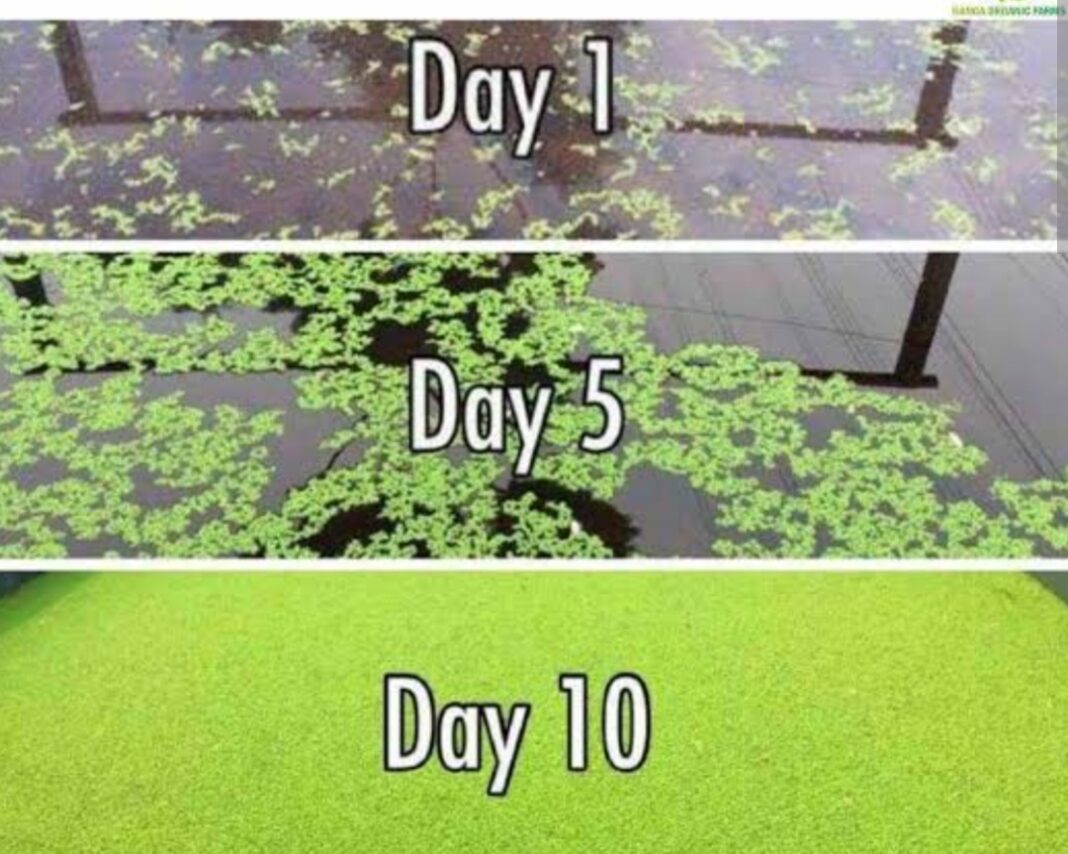
Within 10–15 days during summer temperatures (30–45°C), a thick blue-green layer forms on the surface. The algae can then be collected, dried, and stored.
Application Guidelines for Farmers
- Apply Blue-Green Algae at a rate of 10 kg per hectare.
- Best applied 7–10 days after transplanting paddy when water is present in the field.
- Maintain field moisture for at least 10–15 days after application.
- Adequate phosphorus availability in soil is essential for proper growth.
For eliminating unwanted green algae, a solution prepared by dissolving 1 gram of copper sulphate in 1 litre of water can be used.