

Chhattisgarh PCC leader alleges Centre shifting MNREGA burden to states; says budget favours corporates over farmers and common citizens
Published on: February 04, 2026
By: BTNI
Location: Rajnandgaon, India
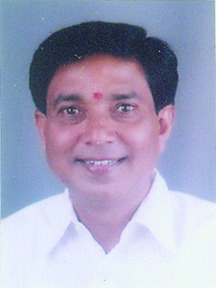
Reacting sharply to the Union Budget, Chhattisgarh Pradesh Congress Committee spokesperson Kamaljeet ‘Pintu’ on Saturday said the budget presented by the Union Finance Minister is against villages, the poor, farmers and the middle class.
He alleged that earlier under MNREGA, the Centre bore 90 per cent of expenditure while states contributed 10 per cent. However, the Modi government has now restructured the scheme—renaming it VBG Ram Ji—and reduced the Centre’s share to 60 per cent, increasing the states’ burden to 40 per cent.
“This change will severely impact Chhattisgarh, as the BJP-led state government has already pushed the state into financial distress. With the Centre withdrawing support, rural employment and livelihoods will suffer,” Pintu claimed.
He further stated that the budget makes no provision for increasing farmers’ crop prices and fails to introduce meaningful employment opportunities for the unemployed. Small and middle-class traders had expected GST relief, he said, but their hopes were dashed.
Also read- https://www.btnewsindia.com/namdev-community-to-organise-mass-wedding-and-youth-introduction-conference-on-february-6-in-kasrawad-khargone/ https://www.btnewsindia.com/former-councillor-demands-fir-against-officials-contractor-over-alleged-₹290-crore-road-tender-scam-in-rajnandgaon-mohla-manpur-project/
According to the Congress spokesperson, the budget does not offer any reduction in prices of daily essential commodities and is likely to trigger further inflation.
“The Union Budget goes against the expectations of ordinary citizens. It has been designed keeping only big corporates in mind. The poor and middle class will gain nothing from it. This is merely an illusionary budget with no real substance,” he alleged.
Summing up his reaction, Pintu termed the budget “hollow and people-unfriendly,” asserting that it does little to address grassroots economic challenges.