

Self-help group women find a powerful platform to promote skills, craftsmanship and micro-enterprises near Patal Bhairavi Temple
Published on: February 10, 2026
By: BTNI
Location: Rajnandgaon, India
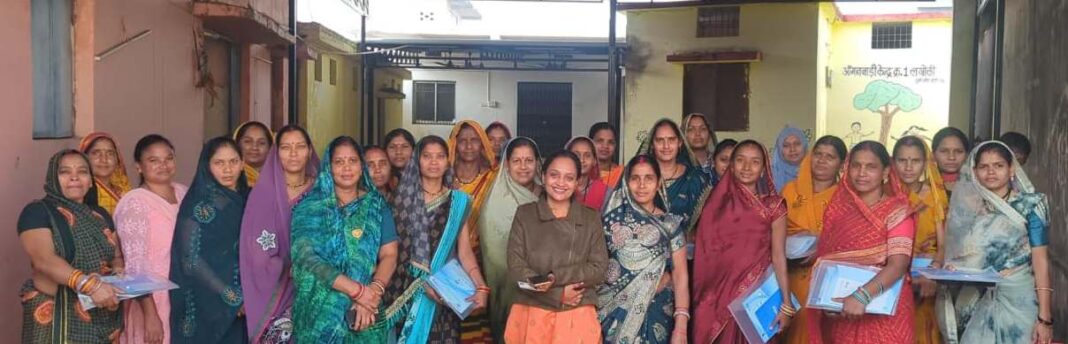
The Gram Dukaan initiative of the National Bank for Agriculture and Rural Development (NABARD) is proving to be a significant step towards improving the living standards and economic empowerment of women associated with self-help groups (SHGs) in Rajnandgaon district.
Located near the Patal Bhairavi Temple, the NABARD-supported Gram Dukaan has emerged as a vibrant marketplace where women are being encouraged to promote their skills, craftsmanship, and small-scale enterprises. The initiative provides a strong platform for rural women to become self-reliant by enabling them to market their products directly to consumers.
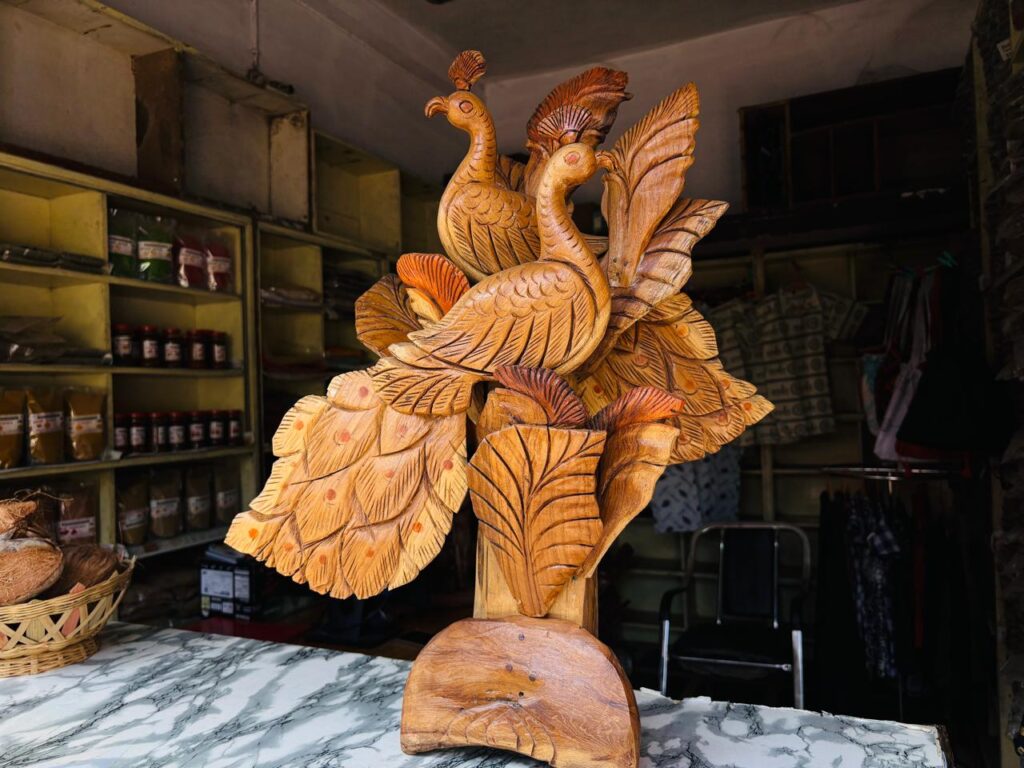
A wide range of locally manufactured products made by women’s groups are available at the Gram Dukaan. These include puja materials, pickles, papad, murukku, nadda, bijori, murabba, candles, incense sticks, soaps, elephant foot yam (jimkand), flowers, mushrooms, textiles, food items, spices, dona-pattal (leaf plates), decorative items, and various household goods.
Women associated with the self-help groups are also focusing on attractive packaging of their products, which has helped enhance market appeal and sales through the Gram Dukaan network.
Also read- https://www.btnewsindia.com/घूसखोर-पंडत-विवाद-ब्राह्/ https://www.btnewsindia.com/madhya-pradesh-advances-spiritual-tourism-with-massive-ram-van-gaman-path-project/
Nisha Mandavi, the operator of the Gram Dukaan, said that the shop’s strategic location near the Patal Bhairavi Temple has ensured a steady flow of customers, resulting in encouraging responses for the products made by SHG women. She added that through the Gram Dukaan initiative, women’s groups have received a free retail space, enabling them to sell their products conveniently and without additional financial burden.
Officials said the initiative has not only improved income opportunities for rural women but has also strengthened local entrepreneurship, making Gram Dukaan a model for sustainable rural development.