


Food Safety Officials Find Cooking Oil TPC at 28-31% (Above 25% Limit), Posing Cancer and Heart Risks; Outlet Warned, Samples Taken for Testing, Immediate Disposal Ordered – Raises Serious Questions on Hygiene at Global Chain
Published on: February 15, 2026
By: BTNI
Location: Jaipur, India
A major food safety violation has come to light at a McDonald’s outlet in Jaipur’s Gaurav Tower, Malviya Nagar, following a surprise inspection by Rajasthan’s health department and food safety officers. The raid uncovered 40 litres of repeatedly used cooking oil that had turned “extremely black and unusable,” yet was still being heated to around 150 degrees Celsius and used for frying items like French fries throughout the day. Additionally, 40 kg of rotten tomatoes were found stored in plastic crates inside the cold room.
The inspection, conducted on February 9, 2026, revealed that the refined palm oil in use exceeded the permissible Total Polar Compounds (TPC) limit of 25%. Officials reported that the oil used for non-vegetarian items had TPC levels of 28%, while the oil for vegetarian preparations showed an even higher 31%. According to experts, including Dr. Manish Mittal, Chief Medical Health Officer (Jaipur-II), TPC is a key indicator of oil degradation.
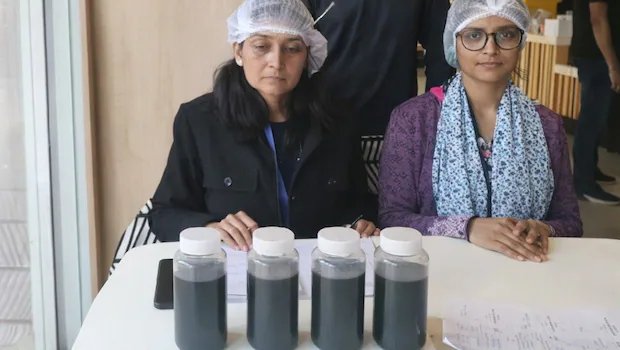
When it surpasses 25%, the oil generates carcinogenic compounds and elevated trans fats, increasing risks of heart disease, cancer, and other health issues.On the spot, authorities destroyed the 40 litres of unsafe oil and ordered the immediate replacement with fresh stock. The 40 kg of spoiled tomatoes were also discarded instantly. Samples of the oil were collected for further laboratory testing to confirm the extent of contamination.
Government food safety officer Sushil Chotwani confirmed that the outlet breached food safety norms under the Food Safety and Standards Act.McDonald’s India has been issued a formal warning and given 14 days to rectify the violations, failing which stricter action, including potential fines or closure, could follow. The chain has not issued a detailed public statement yet, but sources indicate internal reviews are underway to ensure compliance across outlets.
This incident has sparked widespread outrage and concern among consumers, especially in a country where fast-food chains are often trusted for standardized hygiene. Social media is abuzz with reactions questioning how such lapses occur at a global brand known for strict protocols. Many are calling for more frequent and rigorous inspections at all McDonald’s locations in India.The permissible TPC limit of 25% is set by the Food Safety and Standards Authority of India (FSSAI) to prevent health hazards from overheated and reused oils.
Also read- https://www.btnewsindia.com/pandit-deendayal-upadhyaya-remembered-as-thinker-philosopher-and-rashtra-rishi-parkh/ https://www.btnewsindia.com/agriculture-department-launches-campaign-to-link-farmers-with-government-schemes-ahead-of-pm-kisan-23rd-installment/
Repeated frying beyond safe cycles leads to oxidation, polymerization, and formation of harmful byproducts. The discovery of rotten produce in cold storage further highlights potential lapses in inventory management and quality checks.Jaipur, a major tourist hub, sees high footfall at such outlets, making food safety critical. Authorities emphasized that such violations endanger public health, particularly for families and children who frequent fast-food joints.
The case serves as a reminder for consumers to stay vigilant and for chains to uphold global standards locally.As investigations continue, this episode could prompt broader scrutiny of food handling practices across the quick-service restaurant industry in Rajasthan and beyond. Health officials have urged the public to report any similar concerns to local food safety departments.