

Projects Worth ₹126.55 Crore Already Approved; Comprehensive Initiative Focuses on Infrastructure, Healthcare, Education, Livelihoods and Cultural Heritage
Published on: November 21, 2026
By: BTNI
Location: Raipur, India
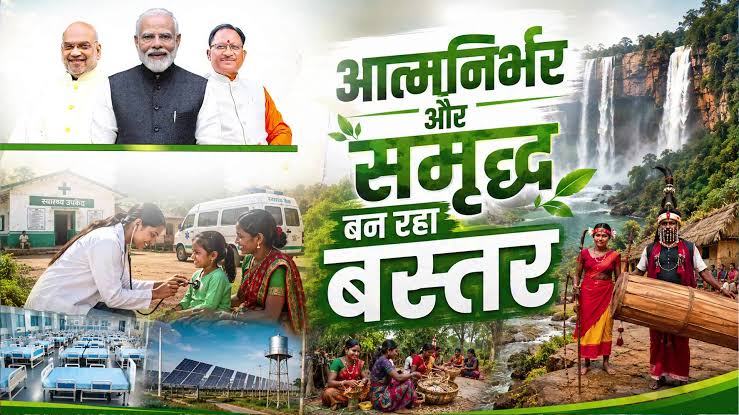
The Chhattisgarh government has prepared an ambitious development roadmap to transform the Bastar division into a model tribal region, with a comprehensive action plan worth ₹187.43 crore for the overall development of its seven districts. Projects amounting to ₹126.55 crore have already received approval.
The initiative covers Bastar, Kanker, Kondagaon, Narayanpur, Dantewada, Bijapur and Sukma. Its primary objective is to improve the living standards of the region’s tribal population, which accounts for 66.95 per cent of the population, or more than 20.69 lakh people, while preserving its rich cultural identity and heritage.
The roadmap includes interventions in basic infrastructure, forest rights, healthcare, education, skill development, local entrepreneurship, tourism and cultural preservation.
Infrastructure Development and Strengthening of Forest Rights
A major component of the plan focuses on improving electricity access and strengthening community rights over forest resources.
A project worth ₹435 crore has been approved by the Public Accounts Committee to connect 461 villages in the Bastar division to on-grid electricity. The first phase, planned for the financial year 2026–27, has an allocation of ₹85 crore. The initiative aims to improve the reliability and accessibility of electricity supply.
For strengthening community forest rights, ₹16 crore has been approved for implementing Community Forest Resource Management Plans in 160 villages. The amount has been transferred to the state.
Additionally, ₹1.65 crore has been released for recognising habitat rights of the Abujhmadia community, a Particularly Vulnerable Tribal Group (PVTG) residing in the Bastar-Narayanpur region.
Healthcare, Education and Skill Development
The development roadmap places special emphasis on maternal and child welfare, nutrition and access to specialised healthcare.
An allocation of ₹7.15 crore has been approved for establishing community-managed crèches in malnutrition-affected PVTG areas. These facilities will support the care of children aged six months to three years.
At Jagdalpur Medical College, a Centre of Competence for sickle cell disease is planned at a cost of ₹5 crore. The roadmap also includes a malaria and tuberculosis elimination mission in collaboration with the ICMR-National Institute of Medical Research.
In the education sector, a proposal worth ₹6.75 crore has received in-principle approval for developing multilingual educational materials in local tribal languages, including Gondi, Halbi, Bhatri, Dhurvi and Dorli. The materials will be introduced in primary schools and Balwadis to make learning more accessible to tribal children.
A proposal of ₹1 crore has also been put forward under the ULLAS programme to promote digital and financial literacy among adults.
Livelihood Generation Through Local Enterprise Clusters
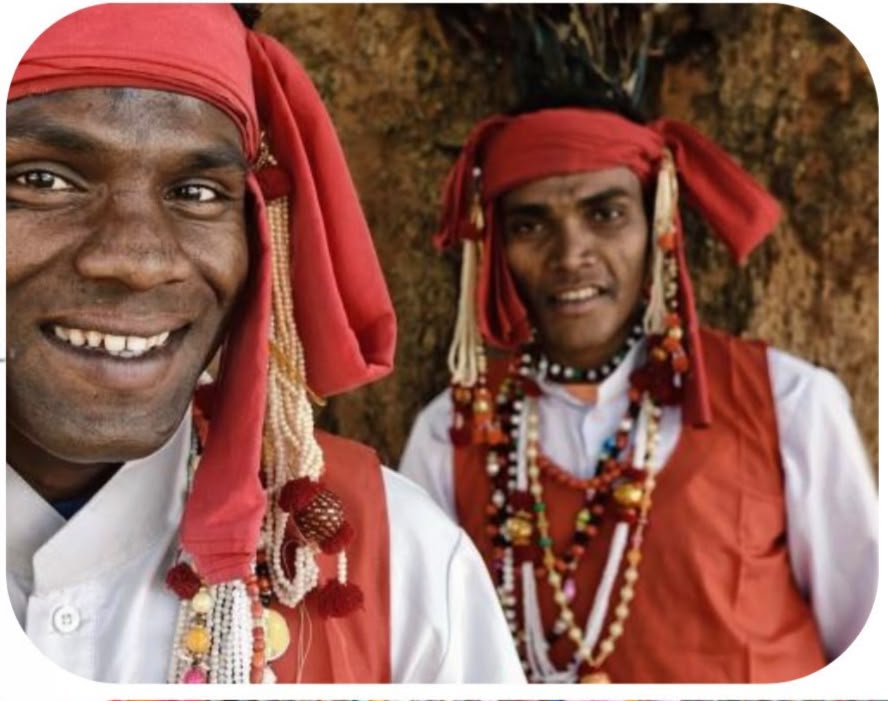
The plan seeks to strengthen the regional economy by developing clusters based on forest produce, agriculture, traditional products and handicrafts.
Key initiatives include:
- Tamarind processing clusters: ₹2.50 crore for Bastar and Narayanpur.
- Mahua clusters: ₹2.50 crore for Bijapur and Bastar.
- Chironji and other forest-based products: ₹3.20 crore for a mango and palm-toddy jaggery initiative in Sukma and a chironji cluster in Bijapur.
- TRIFOOD Park: ₹5 crore for establishing a park in Jagdalpur.
- Traditional handicraft clusters: ₹3 crore for Dhokra, bamboo, wood and terracotta crafts.
An allocation of ₹5 crore has been proposed to promote eco-tourism and homestays along the Jagdalpur-Chitrakote-Kanger Valley corridor.
The Tribal Entrepreneurship Promotion Programme, with an outlay of ₹4.58 crore, is supporting 144 enterprises with seed money of ₹75,000 each. IIM Kolkata is also providing support through its startup incubation initiative.
Preservation and Promotion of Tribal Cultural Heritage
The roadmap gives special importance to protecting the region’s religious traditions, cultural practices, crafts and identity.
An amount of ₹10 crore has been approved for GIS mapping and restoration of Devgudis and sacred groves, which hold deep significance in tribal faith and traditions. Mapping of 22 sites in Bastar district has already begun.
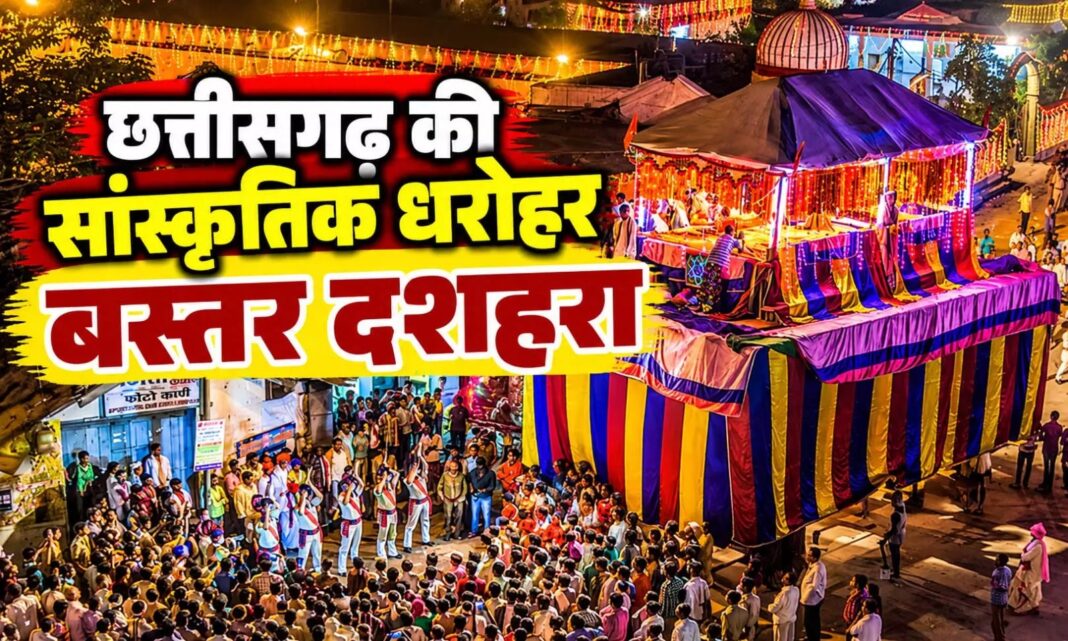
A proposal of ₹1 crore has been prepared to include the world-famous Bastar Dussehra in the National List of Intangible Cultural Heritage and pursue its UNESCO nomination.
A provision of ₹20 lakh has been made to secure Geographical Indication (GI) tags for 10 tribal products, including Dhokra craft, Bastar Pata textiles, Aal-dyed fabrics and Chapda, the chutney made from red ants.
The plan also includes the development of mini-museums in six Eklavya Model Residential Schools at a cost of ₹6 crore. Strengthening the Badal Academy is another component aimed at promoting Bastar’s art, culture and regional identity.
Chief Minister Calls Bastar’s Transformation a Top Priority
Chief Minister Vishnu Deo Sai welcomed the comprehensive development roadmap and said the overall development of the Bastar region remained one of the government’s highest priorities.
ALSO READ-
- Changing Bastar: A New Path Towards Development
- Bastar Development Plan: ₹187.43 Crore Mega Roadmap to Transform Seven Tribal Districts
- Narayanpur Records 109.26% Achievement in Institutional Deliveries, Exceeding Seven-Month Target
- Bastar Woman Kaushalya Sethia Builds a Successful Mushroom Business Through Bihan Scheme
- Drinking Water Problem Resolved Within 24 Hours in Bijapur Village
He said the government was committed to ensuring that every village and every tribal family in the region had access to development opportunities, education, healthcare and basic facilities.
Describing the ₹187-crore plan as more than a document of development projects, the Chief Minister said it represented a strong foundation for a modern and self-reliant future while preserving Bastar’s glorious past and rich cultural heritage.
He added that initiatives covering electricity, roads, healthcare, education, local arts, culture and entrepreneurship would help Bastar emerge as a model tribal region.
The government, he said, remained committed to bringing positive changes to the lives of every resident of the division.