

Published on: February 14, 2026
By: BTNI
Location: Rajnandgaon, India
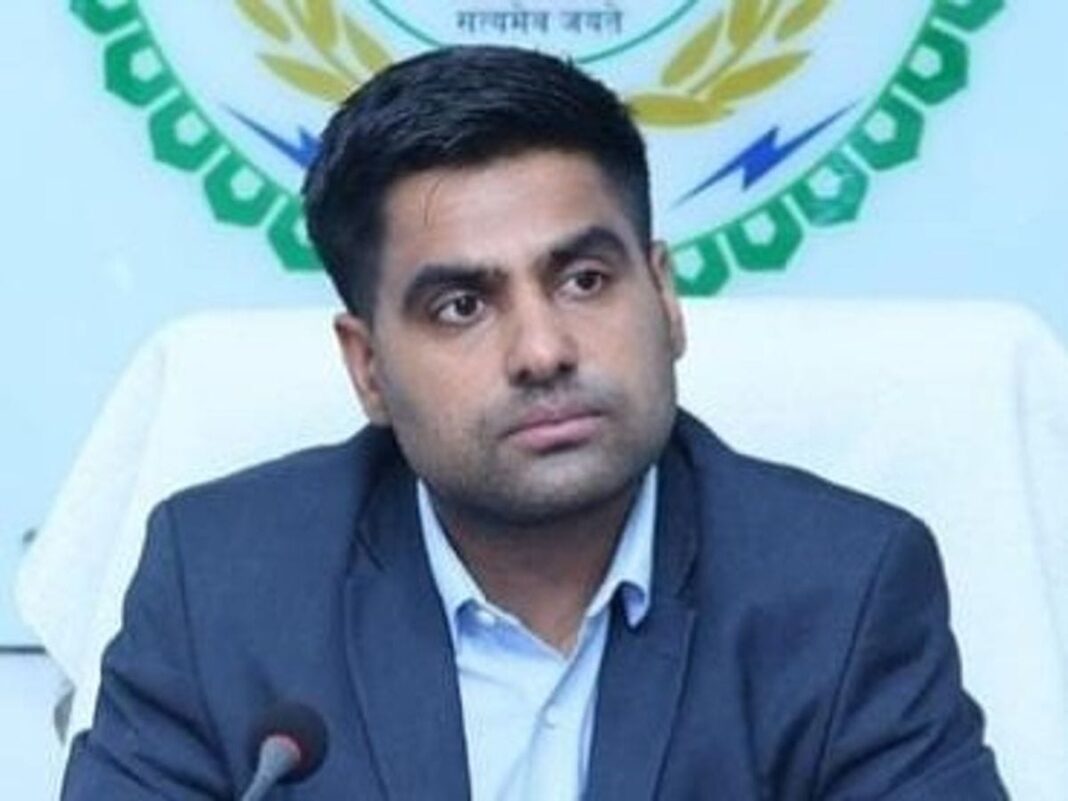
The paddy procurement season at Minimum Support Price (MSP) in Rajnandgaon district this year unfolded much like a long, high-stakes cricket match — intense from the first day to the last. District Collector Jitendra Yadav ensured that the administrative machinery remained equally vigilant throughout the entire period, resulting in tighter control over irregularities such as illegal paddy inflow, fake acreage claims, and unauthorized procurement.
Unlike routine administrative exercises limited to issuing instructions, the district administration maintained a strong field presence. Continuous inspections, coordinated raids, and real-time monitoring became defining features of the campaign. The outcome was significant: procurement fell short of the projected target by nearly 12 lakh quintals, which officials say reflects stricter scrutiny and elimination of irregular entries rather than reduced farmer participation.
The campaign is now being viewed as a valuable case study for students of statistics and management, highlighting how coordinated planning, supervision, and accountability mechanisms can influence large-scale government operations.
Leadership Blending Discipline and Motivation
Collector Jitendra Yadav adopted a balanced approach — enforcing discipline where required while also motivating officers and staff through encouragement and trust. This combination fostered a sense of shared responsibility among departments including food, revenue, police, cooperative, and transport.
Officials noted that when leadership remains actively present in the field, it strengthens morale and ensures faster decision-making. This hands-on supervision played a crucial role in maintaining consistency from the beginning of procurement in mid-November until its conclusion in late January.
Also read- https://www.btnewsindia.com/nabards-gram-dukaan-initiative-uplifts-rural-women-strengthens-livelihoods-in-rajnandgaon/ https://www.btnewsindia.com/advance-fertiliser-lifting-begins-for-farmers-from-february-1-in-rajnandgaon/
Mandi Department’s Crucial Role
Among all departments, the mandi administration emerged as a key operational pillar. Inspections of suspicious stock at rice mills, poha mills, warehouses, and even farmers’ residences were conducted regularly. The presence of mandi officials during enforcement actions ensured procedural accuracy and legal compliance.
Mandi Secretary Panchram Verma, along with inspectors and staff, remained actively involved on the ground. With over three decades of experience, Verma’s expertise helped authorities verify facts on the spot in several cases, expediting action against irregularities. Many cases related to illegal procurement were registered under relevant mandi laws with proper documentation and seizure procedures.
Strong Message Against Illegal Procurement
The administration’s strict stance created a deterrent environment. Although large cases involving fake land records and substantial illegal stock surfaced during the season, continuous enforcement sent a clear message that manipulation of the procurement system would not be tolerated.
Officials believe the campaign not only improved transparency this year but will also discourage malpractice in future procurement cycles across the region in Chhattisgarh.
Return to Routine, But With Lessons Learned
With the procurement season now over, mandi offices and associated departments are gradually returning to normal operations. However, officers and staff involved in the campaign describe it as a unique administrative experience that demonstrated the power of coordination and sustained leadership.
Conclusion
The Rajnandgaon paddy procurement season proved that administrative success is not achieved through orders alone, but through synchronized teamwork and continuous engagement. As officials described metaphorically — when the captain stays on the field and the team plays together until the last ball, even the toughest match can be won decisively.