


Published on: March 30, 2026
By: BTNI
Location: Rajnandgaon, India
(Trust in the System)
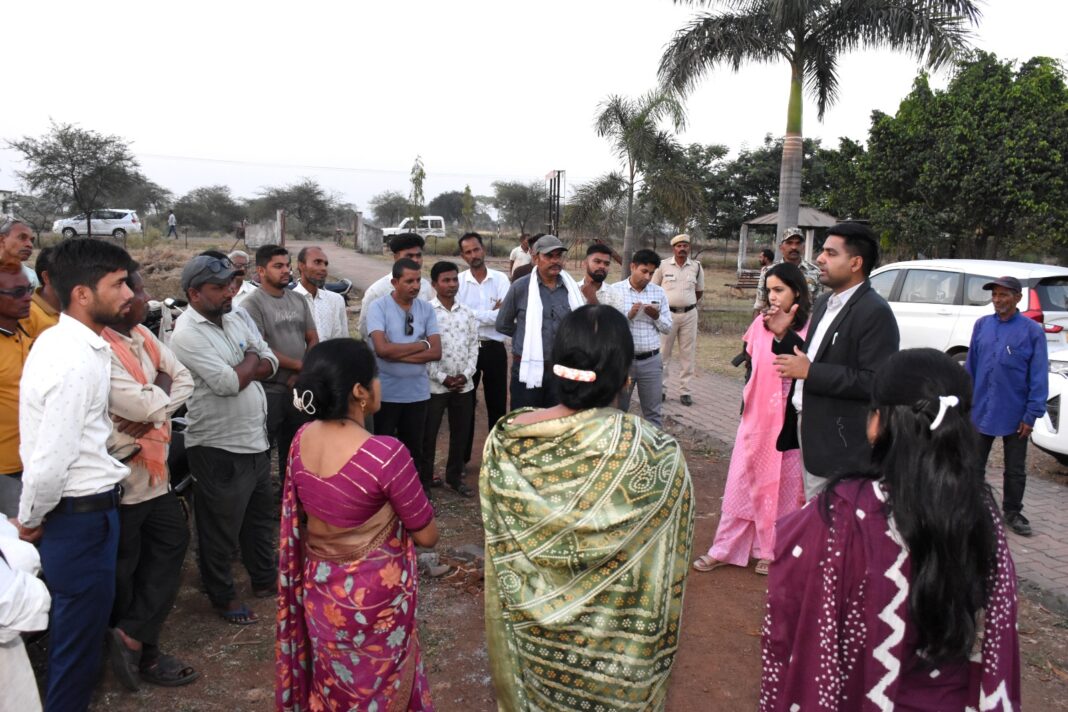
What was once dismissed as administrative rhetoric in Rajnandgaon district has now taken the shape of a visible, lived reality. Across middle-class households, rural communities, and economically weaker sections, a quiet but firm confidence is emerging—that the administration is no longer merely listening, but delivering solutions within defined timelines.
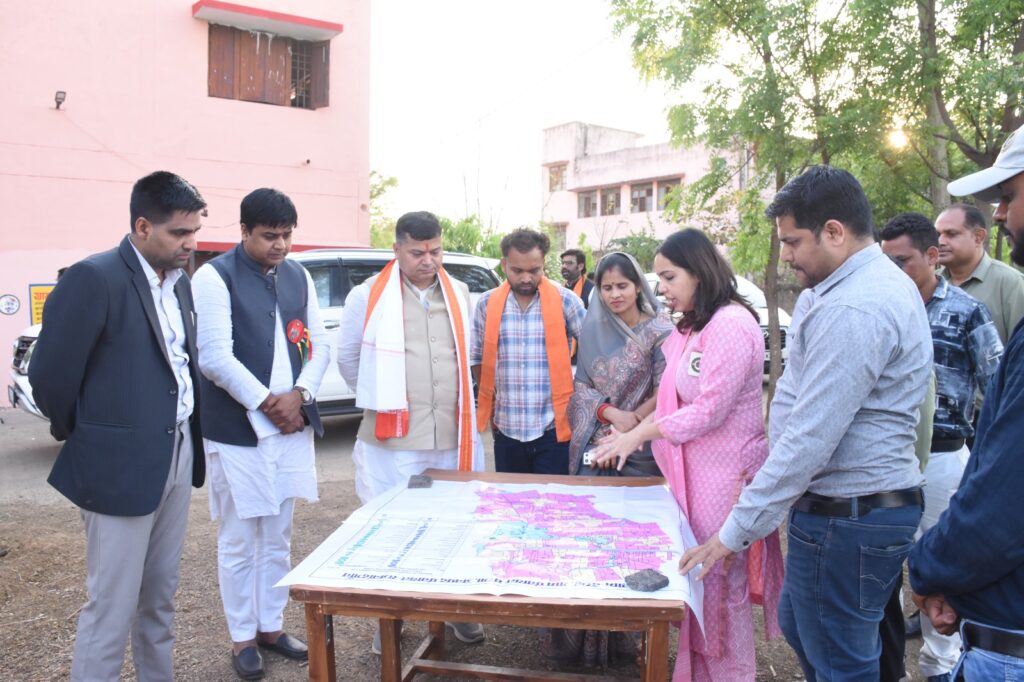
Nowhere is this shift more evident than in revenue administration. Complex cases such as mutation, partition, and demarcation—traditionally mired in procedural delays—have seen remarkable acceleration. As many as 205 cases have been resolved within just five days, and the pace shows no signs of slowing. At the heart of this transformation lies the stringent monitoring and clear accountability enforced by Collector Jitendra Yadav.
Targets set during review meetings are not only tracked but pursued with consistency, ensuring that what once took months is now being accomplished in days. This administrative shift is not confined to office corridors. Officers and field staff have been directed to step out into their respective jurisdictions, assess ground realities, understand village-level needs, and prepare actionable proposals leading to timely approvals.
The result is a governance model that is increasingly participatory and responsive. The administration’s sensitivity is also reflected in its handling of individual grievances. In one instance, a rural woman’s complaint regarding illegal construction was addressed promptly, with the encroachment removed without delay—reinforcing public faith that every complaint can lead to concrete action.
Similarly, transparency mechanisms in schemes such as the Pradhan Mantri Awas Yojana have been strengthened, significantly curbing irregularities. Firm action against illegal colonies has further underscored the administration’s resolve. The decisive use of enforcement measures has acted as a strong deterrent, discouraging violations and instilling a sense of discipline among offenders.
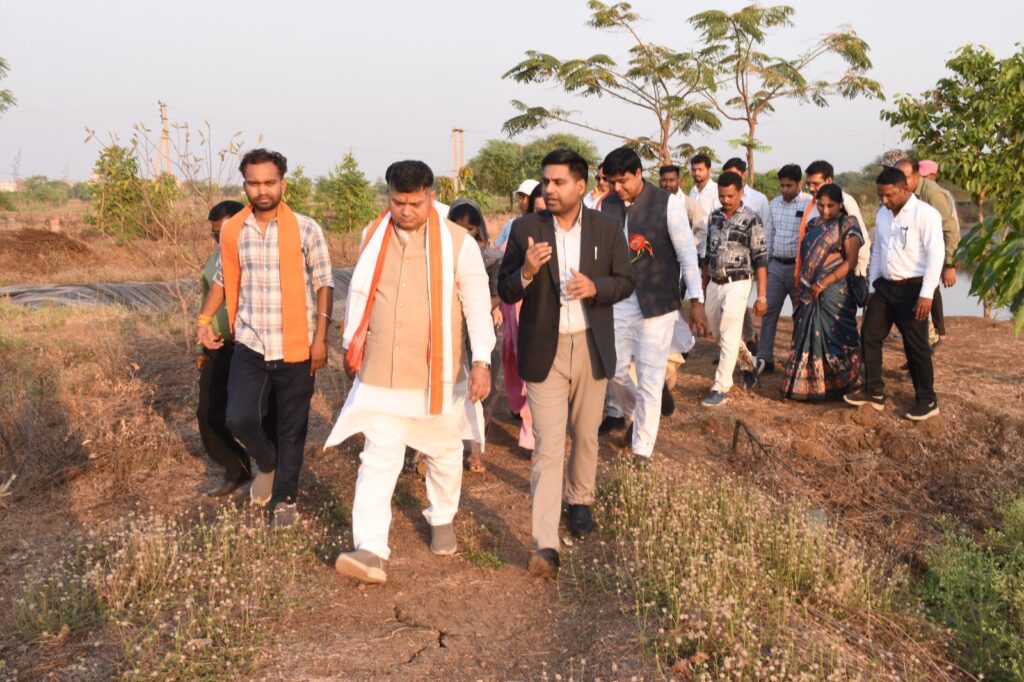
Water conservation, a long-standing challenge in the district, has also seen decisive intervention. Illegal diversion of canal water for paddy cultivation and excessive groundwater extraction through borewells have been brought under strict scrutiny. Declaring such acts as punishable offences, the administration ensured vigilant field monitoring during the rabi season, yielding tangible results.
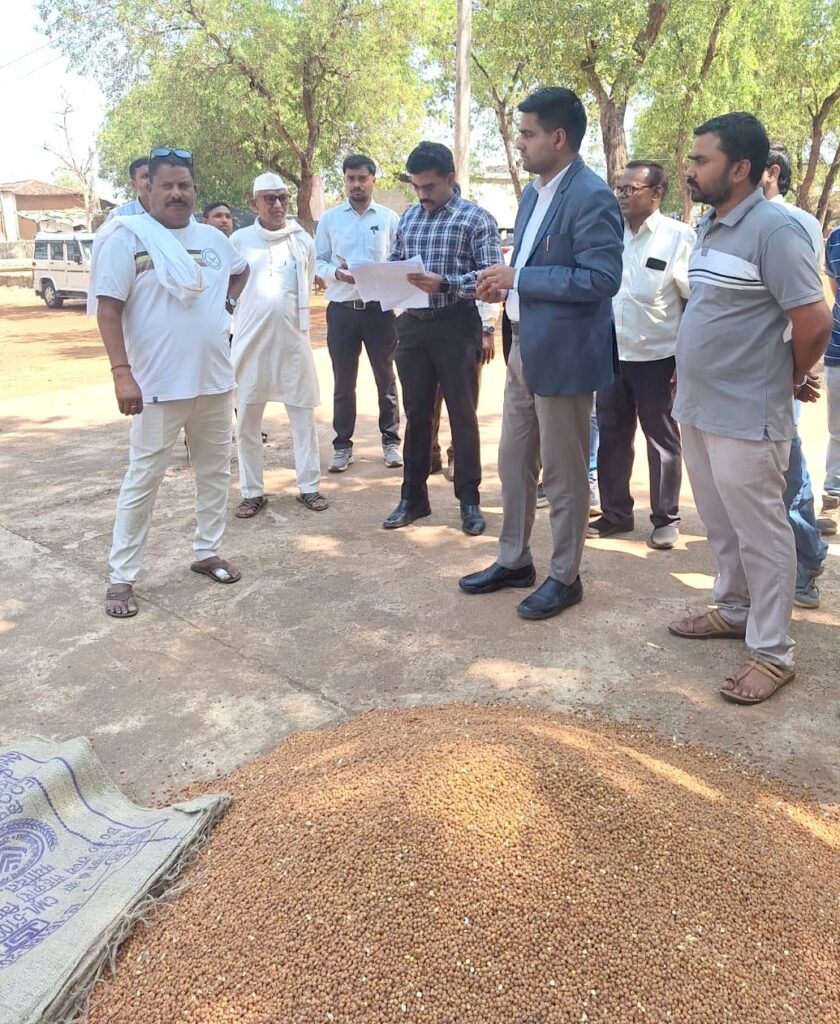
Importantly, the approach has balanced enforcement with awareness—farmers are being actively counseled at the village level about sustainable water practices. In a forward-looking move, crop diversification has been systematically promoted. Under the direct supervision of Collector Yadav, farmers have been engaged in dialogue during the rabi season, with coordinated efforts across departments ensuring the procurement of alternative crops like gram and maize at Minimum Support Prices.
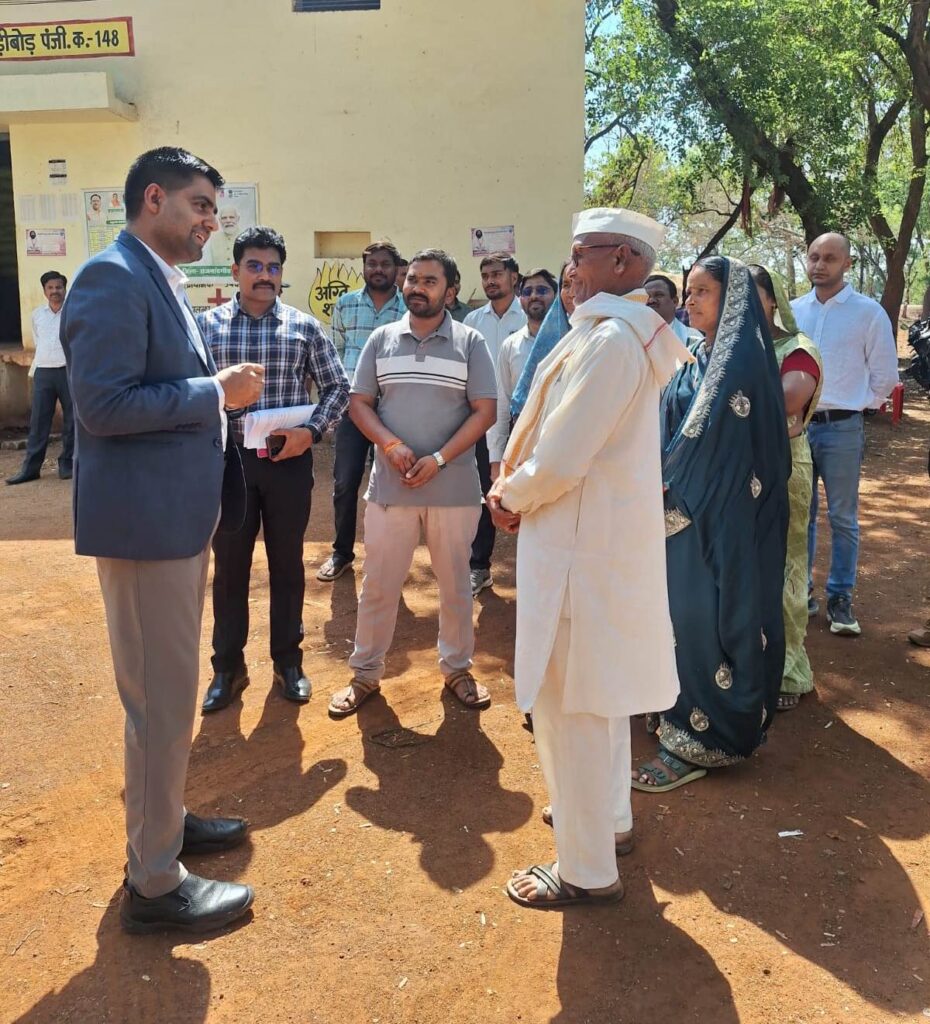
The Collector’s own visits to procurement centers signal a hands-on approach, aimed at building farmer confidence in the economic viability of crop rotation. Collaboration with banking institutions and the agriculture department has further reassured farmers that transitioning away from water-intensive paddy cultivation will not result in financial loss.
Gradually, a new confidence is taking root—alternative crops are no longer seen as mere substitutes, but as sustainable sources of income. It is worth noting that the foundation for water conservation in the district was laid earlier at the Zila Panchayat level by then-CEO Amit Kumar, and subsequently strengthened by IAS officer Suruchi Singh, whose efforts earned recognition at the national level with a Presidential award.
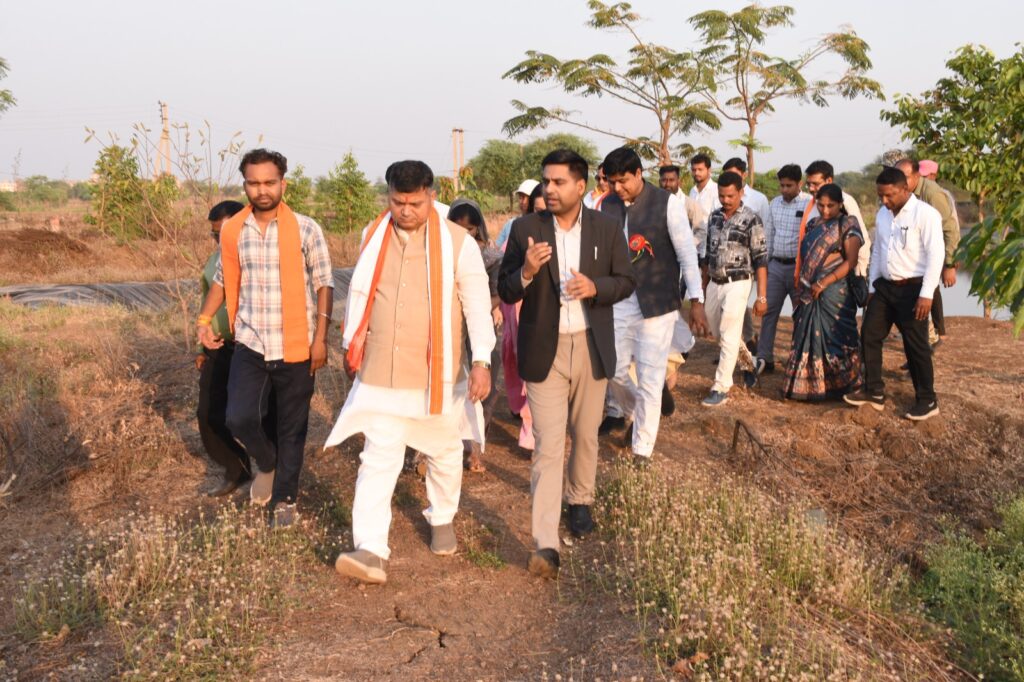
The current administration, under Collector Yadav, appears to be consolidating and expanding that vision with renewed vigor. Strikingly, the Collector’s style blends firmness with accessibility. During the current rabi season, effective restrictions on paddy sowing have been enforced, supported robustly by the irrigation department. Yet, beyond directives, Yadav has ensured his presence on the ground—interacting directly with farmers, officials, and institutions, translating policy into practice.
In essence, Rajnandgaon’s administration today reflects a broader shift—from paperwork to performance, from distance to direct engagement. As residents increasingly observe, “The government is no longer distant—it is working among us.”
Also read-
- “Collector Jitendra Yadav: The People’s Collector Driving Governance to the Ground”
- Union Minister of State for Jal Shakti Reviews Water Conservation Initiatives in Rajnandgaon
- Innovative Initiative Ensures Quick Disposal of Revenue Cases at Gram Panchayat Level
- Grand Ram Navami Procession Held in Rajnandgaon, Floral Welcome Marks Festive Celebrations
- Mahavir Janma Kalyanak Mahotsav Celebrated with Harmony March and Religious Events

