


From a History of Exploitation and Conflict to the Hope of Peace, Cultural Revival and Inclusive Growth
Published on: November 21, 2026
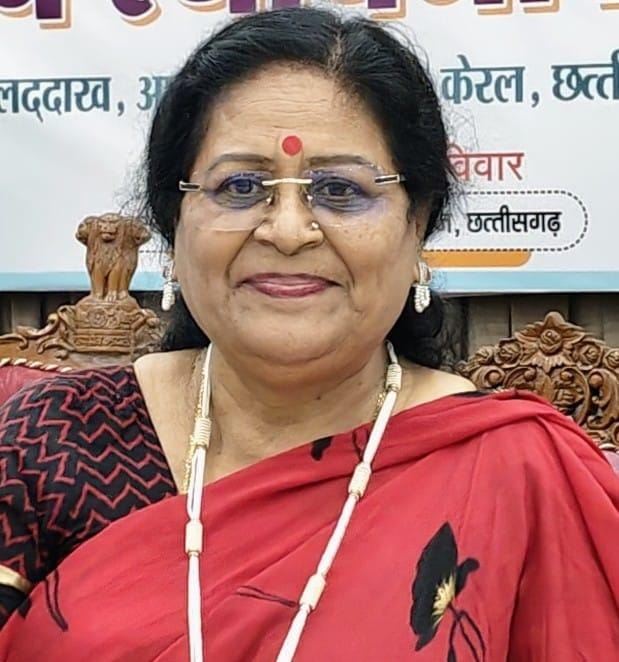
By: By Shakuntala Tarar, Independent Journalist
Location: Raipur, India
What is Bastar? My Bastar, your Bastar, someone else’s Bastar? Is it merely a name or a geographical region? No. Bastar is also a tender, deeply human emotion, filled with pain, sensitivity and reflection—an emotion that cannot always be expressed in words. Only those who live here can truly describe the suffering and experiences associated with this land.
After years of turmoil, Bastar has finally begun to breathe a sigh of relief. This moment brings happiness and hope. Yet, concerns remain. Have traders, officials and powerful business interests already begun looking for new ways to exploit the region’s water, forests and land? Will the greenery and natural wealth of Bastar once again become the target of outside interests?
One question deserves serious consideration: those who prospered during the years of Naxalism and Maoism—did they remain entirely untouched by the influence of Maoist networks? How could anyone operate and flourish in the region without coming under their scrutiny or having some form of interaction with them? The support, however, was not necessarily extended to the ordinary tribal population; it often benefited those who had taken up arms.
A Long History of Exploitation and Resistance
We, the people of Bastar, have witnessed how the region was exploited repeatedly. Water, forests, land and the dignity of women became part of a disturbing history of exploitation. Various means—persuasion, money, coercion and manipulation—were used to gain control over natural resources. Tribal women and young girls also suffered exploitation, while ordinary families bore the consequences.
Who was harassed? Who was forced to leave home? Who picked up a gun? Who lost their life? Who lost a son or daughter? These are questions that remain deeply connected with Bastar’s collective memory. Even the region’s forests and wildlife suffered during the years of conflict, when outside elements also took advantage of the situation.
Bastar’s history, however, is equally a history of courage and resistance.
In 1324 AD, King Annamdev of the Kakatiya dynasty arrived from Warangal and established a royal legacy whose influence remains visible in the region’s traditions. One of its most remarkable cultural expressions is the famous 75-day Bastar Dussehra.
In 1824–25, Shaheed Gend Singh and his associates launched the Paralkot rebellion against British and Maratha rulers. In 1859, the ‘Koi’ rebellion, led by Nangal Dorla and his companions, sought to protect the forests from the cutting of sal trees. Their slogan, “One tree, one head”, reflected their determination to defend the forests.
The 1910 Bhumkal rebellion was another defining chapter. Veer Gundadhur, appointed by Maharani Suvarn Kumari and Lal Kalendra, led resistance against British rule. He fought the British forces courageously and was never captured, while his struggle shook the colonial administration.
The Bailadila Episode: A Painful Chapter in Bastar’s History
The much-discussed Bailadila episode of the 1960s remains one of the darkest chapters in the region’s history. During the early years of the Bailadila iron ore project, allegations emerged that contractors and officials who had arrived in the name of development had sexually exploited around 300 tribal women and young girls after promising marriage.
The region was already facing displacement from ancestral land. The alleged exploitation of tribal daughters added another layer of suffering to the community.
ALSO READ-
- Changing Bastar: A New Path Towards Development
- Bastar Development Plan: ₹187.43 Crore Mega Roadmap to Transform Seven Tribal Districts
- Narayanpur Records 109.26% Achievement in Institutional Deliveries, Exceeding Seven-Month Target
- Bastar Woman Kaushalya Sethia Builds a Successful Mushroom Business Through Bihan Scheme
- Drinking Water Problem Resolved Within 24 Hours in Bijapur Village
The matter came to light after Dr. Brahmdev Sharma took charge as Bastar Collector in 1968. He conducted a detailed investigation and adopted a firm position against the alleged wrongdoing. In a significant step, he arranged marriages involving the men found responsible and the affected tribal women.
His efforts to protect the dignity of tribal women and help them regain a respected place in society remain an important example in administrative history. Dr. Sharma devoted his life to safeguarding the rights of tribal communities over water, forests, land and dignity.
The people of Bastar were simple and trusting then, and many continue to be so today. The greatest need is to ensure access to proper, quality education so that they understand their rights and are better equipped to resist exploitation.
From a Movement for Rights to a Prolonged Maoist Conflict
Against the backdrop of exploitation and displacement, another long and violent chapter began in Bastar under the banner of Naxalism. What initially emerged in the name of justice and rights gradually transformed into a violent Maoist conflict.
For decades, Maoist groups claimed that their struggle was intended to protect the water, forests and land of tribal communities. However, the author argues that subsequent evidence, including the recovery of substantial undeclared assets and modern weapons from forest areas, exposed a different reality.
According to this view, a parallel system of authority and extortion had developed in the name of ideology. Once again, ordinary residents of Bastar found themselves caught between powerful outside forces and a prolonged conflict.
A New Morning of Peace and Possibility
That dark chapter has now come to an end, and Bastar has been declared free from armed Maoism. The development marks a historic turning point for a region that spent decades under the shadow of fear and violence.
The country and society are now looking towards Bastar with renewed expectations. There is hope that the valleys will once again echo with traditional folk songs and music, and that villages will regain their vibrant cultural atmosphere. The rhythmic beats of the mandar and the sight of young people dancing together should once again become a familiar part of everyday life.
The return of those golden days is not merely a hope but a strong belief. An entire generation has been seen struggling for survival and existence under the shadow of terror. The announcement of a Maoism-free Bastar therefore represents an opportunity to rebuild lives, restore confidence and revive the region’s cultural identity.
Development Must Be Genuine, Sustainable and Accountable
Development activities are now gaining momentum across the region, signalling a period of change. However, development must not remain confined to official announcements and documents. It must translate into lasting improvements in people’s lives.
The coming years will show whether the roads and infrastructure being built during this new phase of peace are durable, properly maintained and free from potholes. The quality and integrity of development work will determine how much ordinary residents actually benefit.
Bastar needs development that respects its people, protects its natural resources and safeguards its cultural identity. If the foundation of this transformation rests on honesty, accountability and quality, there will be no reason why the region cannot regain its lost smile and pride.
The path ahead is full of possibilities. The real measure of change will be whether the people of Bastar finally receive the dignity, security, education and opportunities they have long deserved.