

An Unprecedented Democratic Outreach — Possibly a Unique Incident in Indian Democracy
Published on: February 27 2026
By: BTNI
Location: Raipur, India
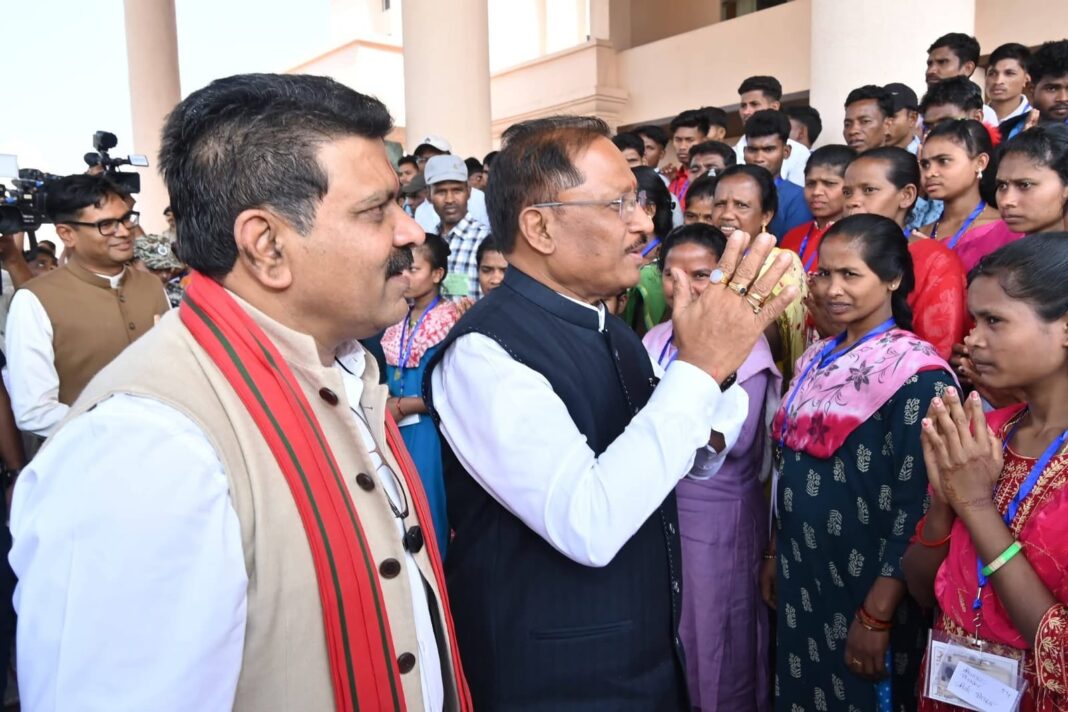
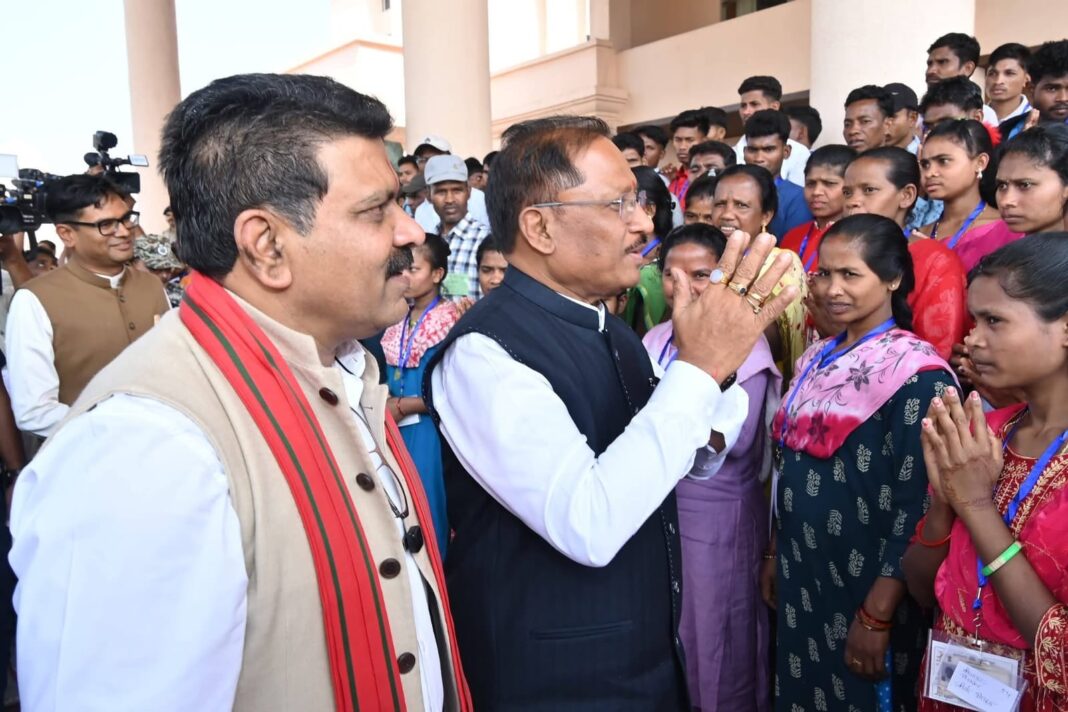
In what can arguably be termed a unique incident in Indian democracy, the Chhattisgarh Legislative Assembly on Friday witnessed an extraordinary and rare democratic experiment, where former Maoists — once operating outside the constitutional framework — were brought face-to-face with the functioning of the very democratic system they had long remained detached from.
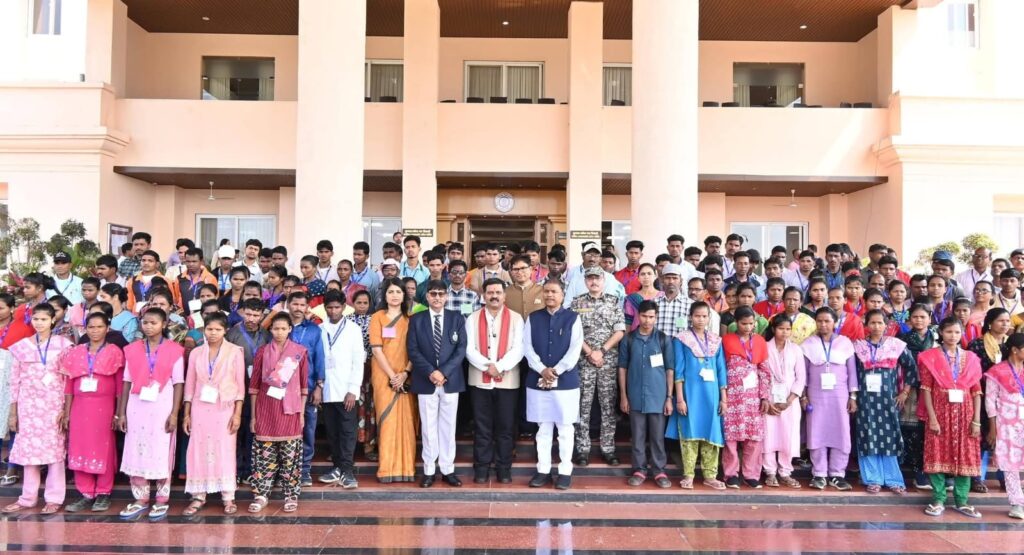
The initiative marked a distinctive moment in governance outreach, as surrendered insurgents were invited not merely to observe but to experience democracy in action through direct institutional exposure and dialogue with policymakers and senior administrators.
Led by Deputy Chief Minister and Home Minister Vijay Sharma, nearly 125 surrendered Maoist cadres, including women members, were invited to witness the Assembly proceedings. Among the 120 former Maoists present were prominent surrendered cadres such as Rupesh, once carrying a bounty of ₹1 crore, and Chaitu, identified as a key accused linked to the Jhiram Valley attack case.
Significantly, a day prior to the Assembly visit, the former insurgents attended an interaction dinner hosted at the official residence of Deputy Chief Minister Vijay Sharma — an effort widely viewed as part of a broader confidence-building and social reintegration process.
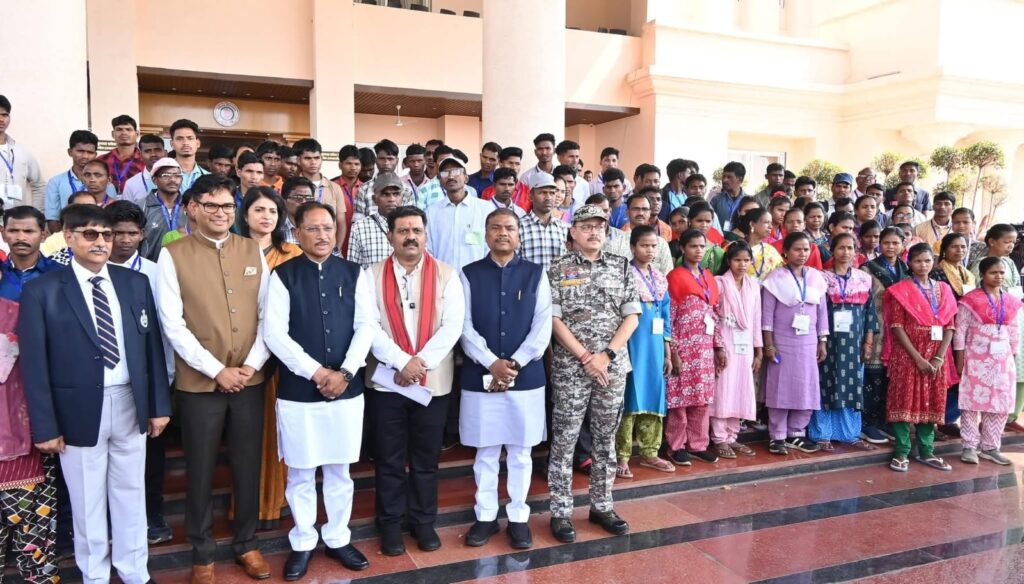
From their entry into the Assembly premises to interactions within ministerial chambers, the entire programme unfolded as a live experiential engagement, transforming the visit into a practical demonstration of democratic functioning rather than a ceremonial exercise.
Intimate Interaction at the Core
The defining feature of the initiative was an informal yet meaningful interaction inside the Home Minister’s chamber, where former Maoists engaged in open discussion for nearly 10–15 minutes with senior administrative and security officials. Raipur Police Commissioner Sanjeev Shukla and Women & Child Development Secretary Niharika Barik were present and actively participated in the dialogue.
Discussions moved beyond official rehabilitation frameworks and touched upon social reintegration, participation in mainstream civic life, and even the use of digital platforms such as Facebook and Instagram as tools for reconnecting with society. Observers noted that the atmosphere resembled an open community dialogue rather than a structured administrative briefing.
Also read- https://www.btnewsindia.com/bjp-obc-morcha-announces-mandal-leadership-team-in-rajnandgaon-district/ https://www.btnewsindia.com/farmer-registration-under-pm-aasha-price-support-scheme-ongoing-in-rajnandgaon/
Economic Dialogue Focused on Bastar’s Future
The concluding phase of discussions centred on economic transformation in the Bastar region. Former Maoist cadres and officials deliberated on strengthening livelihoods through minor forest produce, agriculture-based activities, and cooperative economic models capable of generating sustainable employment opportunities.
Drawing from Gujarat’s cooperative movement, Home Minister Vijay Sharma explained how dairy and allied cooperative institutions have created economic ecosystems worth thousands of crores while substantially improving rural incomes. He emphasized that cooperative development represents a practical middle path between socialism and capitalism, ensuring inclusive growth through collective participation.
Live Democratic Exposure Leaves Lasting Impact
The Assembly visit, ministerial interaction, and legislative exposure were conducted entirely as a live experience rather than a staged or recorded programme. The authenticity of the engagement left a deep psychological and social impact on participants as well as observers.
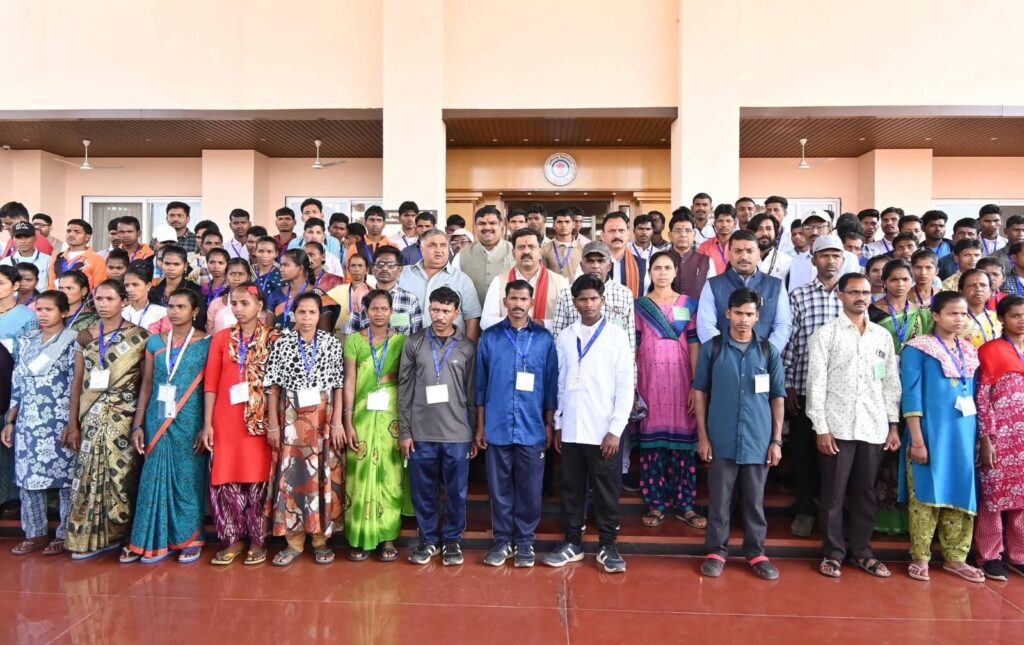
Individuals who once lived in remote forest zones, distant from democratic institutions, were seen engaging directly with policymakers on development, cooperation, and social participation. Policy observers describe the initiative as an emerging dialogue-driven Chhattisgarh model aimed at addressing extremism through democratic inclusion, trust-building, and participatory development.
(Soumya Tiwari Purohit)
Sub Editor — BT News