

Sprinkler and drip irrigation cover over 16,000 hectares; farmers receive up to 55% subsidy
Published on: January 07, 2025
By: BTNI
Location: Raipur, India
Under the leadership of Chief Minister Vishnu Deo Sai, Chhattisgarh is witnessing sustained efforts to enhance agricultural productivity and cultivated area through modern irrigation techniques. With the initiatives of Agriculture Minister Ramvichar Netam, the Prime Minister’s Krishi Sinchai Yojana (PMKSY) has emerged as a key driver in expanding micro-irrigation facilities across the state.
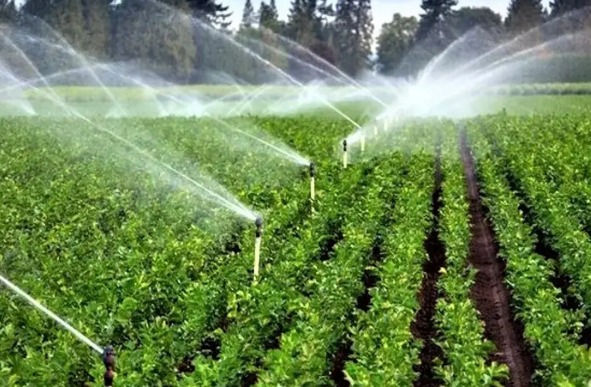
During the current financial year, as many as 19,306 farmers have benefited from sprinkler and drip irrigation systems, bringing irrigation coverage to 16,154 hectares of agricultural land. The scheme provides a subsidy of 55 percent for small and marginal farmers and 45 percent for other farmers, enabling the adoption of advanced irrigation technologies at significantly reduced costs.
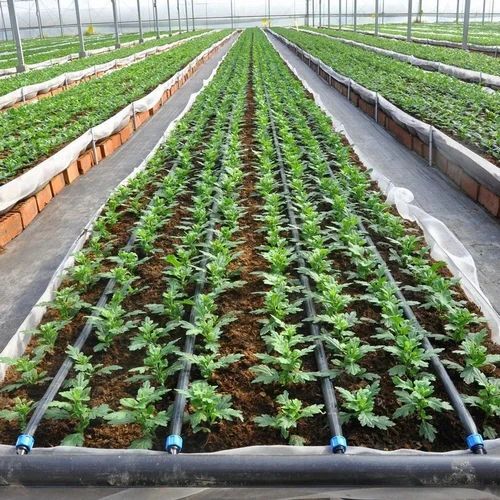
Officials of the Chhattisgarh State Seeds and Agricultural Development Corporation stated that sprinkler and drip systems ensure uniform and need-based water supply to crops, resulting in 30 to 40 percent water savings. These systems also help curb water wastage, making agriculture more efficient and profitable, especially in regions with limited water resources.
Drip irrigation has proven particularly beneficial for vegetables, fruits, horticulture, and cash crops, while sprinkler systems are enhancing productivity in pulses, oilseeds, and cereal crops. Farmers have reported a 20 to 30 percent increase in crop yields, along with reductions in fertilizer use and labor costs.
Also read- https://www.btnewsindia.com/road-safety-essential-to-protect-lives-collector/ https://www.btnewsindia.com/musarakhurd-illegal-liquor-case-rajnandgaon-police-achieve-major-breakthrough/
The scheme also offers technical guidance, farmer training, design approval, and installation support, fostering greater awareness and adoption of scientific farming practices. In drought-prone and low-rainfall areas, PMKSY is being described as a boon, enabling higher production with less water and strengthening farmers’ incomes on a sustainable basis.
In the financial year 2025–26, sprinkler irrigation systems have been installed for 15,757 farmers across 12,012 hectares, while drip irrigation systems have been set up for 3,549 farmers covering 3,942 hectares.